ATN-400 Automation Solution for Photovoltaic Power Systems
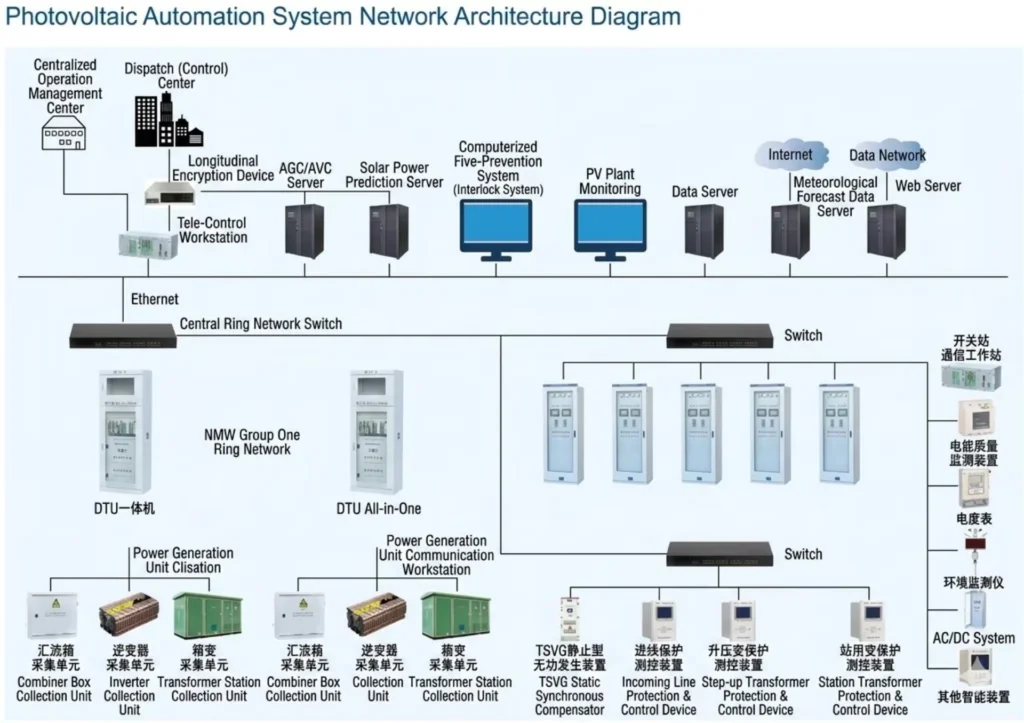
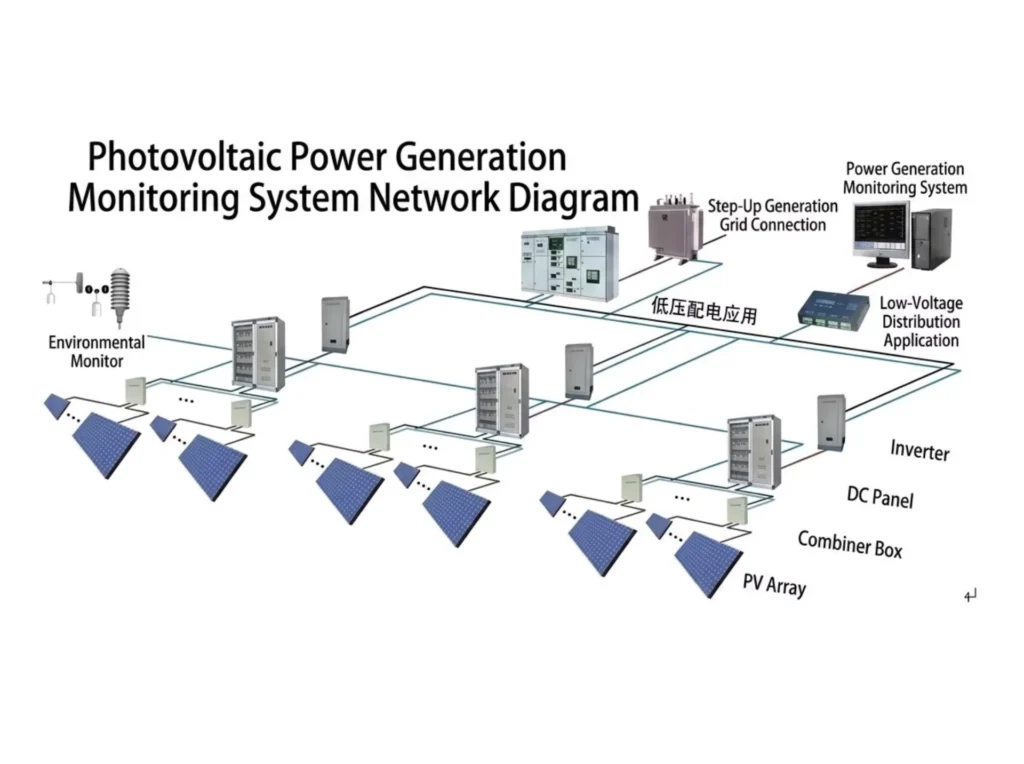
The AutomationSolution for Photovoltaic Power Systems serves as the core technical framework to ensure the safe, stable, and efficient grid-connected operation of power plants.
This solution for grid-connected photovoltaic power systems must adhere to the fundamental principles of power system protection—Reliability, Selectivity, Sensitivity, and Speed—and requires specialized design tailored to the unique operating characteristics of photovoltaic power systems.
Passive islanding detection (voltage/frequency anomaly), active islanding detection, reverse power protection, frequency sudden change tripping, automatic reclosing when voltage returns
Independent anti-islanding protection relay required; operating time ≤2s; reverse power protection required (for non-reverse power grid connection mode)
Automatically trips partial generation units or loads during abnormal frequency/voltage conditions
Configured per grid requirements
3
AGC System
Receives dispatch commands, automatically adjusts active power output of PV station
Required for grid-connected PV stations
4
AVC System
Automatically adjusts reactive power compensation devices to maintain voltage stability at PCC
Required for grid-connected PV stations
5
Fault Ride Through (FRT) Monitoring Device
Monitors and records LVRT/HVRT process waveforms
Configured per grid requirements
We are engaged in the power relay protection industry, with years of in-depth experience in the photovoltaic sector. The Automation Solution for Photovoltaic Power Systems we provide delivers professional, tailored PV automation services for clients.
FAQ
Q1: What is a PV automation solution exactly?
A1: It is integrated hardware and software to automatically monitor, control and adjust photovoltaic power stations, reducing manual operation and improving power generation efficiency.
Q2: What core functions does photovoltaic automation include?
A2: Real-time data collection, fault automatic alarm, remote switching control, power optimization and grid-connected safety protection.
Q3: Can this automation system adapt to distributed rooftop PV and large ground power plants?
A3: Yes. The scheme supports flexible deployment for household distributed PV, industrial rooftop systems and centralized large-scale photovoltaic power stations.
Q4: Does PV automation help cut operation and maintenance costs?
A4: Definitely. It lowers frequent on-site inspections, pinpoints faults rapidly and cuts long-term labor and maintenance expenses.
Q5: Is the automated PV system compatible with mainstream inverter and monitoring brands?
A5: It reserves standard communication interfaces to connect with most mainstream inverters, meters and environmental sensors on the market.
Q6: Will photovoltaic automation strengthen grid connection safety?
A6: Yes. It features anti-islanding protection, voltage and frequency regulation to meet grid access standards and avoid grid impact.
Q7: Is after-sales technical support available for the automation solution?
A7: We provide on-site commissioning, remote technical guidance and long-term system upgrade support for global clients.
Q8: How long does it take to install and commission a PV automation system?
A8: Small distributed projects finish within 1–3 days; large photovoltaic stations complete deployment in 1–2 weeks based on site scale.
About Author
Hello, I'm Leno Zhang. I have 15 years of experience in the power relay protection industry with extensive pre-sales and after-sales project experience. Our company specializes in various complete sets of relay protection and automation equipment. I can assist customers in solving all practical on-site project challenges and provide optimal integrated solutions.
Tell Us Your Requirement
High Quality
Stable performance, reliable design, ensuring safe operation for power system protection and grid stability.
Fast Delivery
Timely delivery to support your urgent orders and project schedules efficiently and professionally at any time.
Best Warranty
Professional Warranty: Reliable after-sales support for stable relay protection and long-term customer satisfaction.