

-
Leon Zhang sales consultant
-
Email: zxl635973785@gmail.com
-
Phone/WhatsApp: +86 13655813266
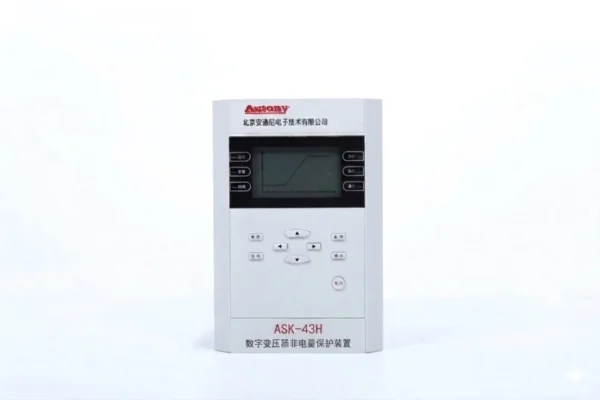
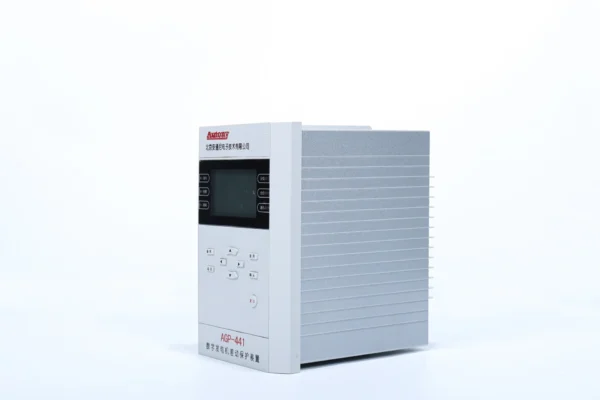
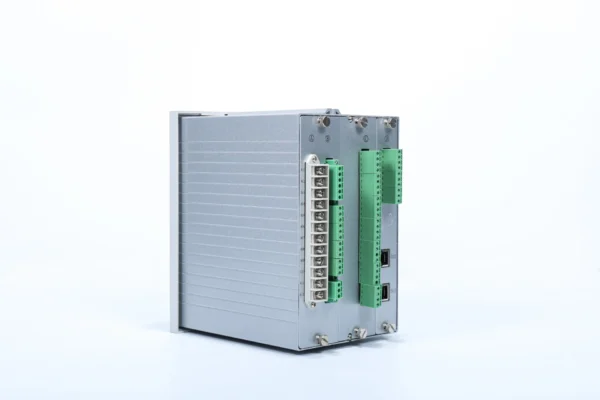
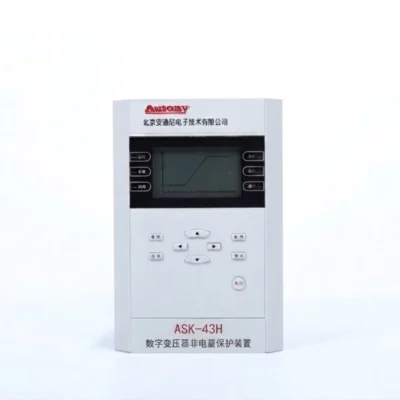
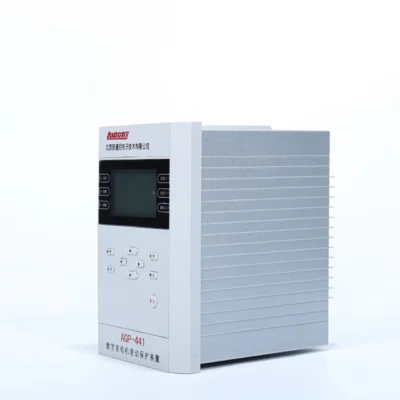
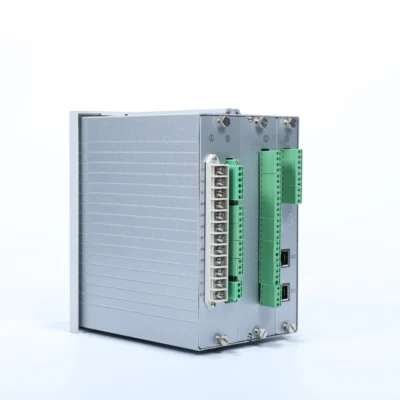
ASK-43H Transformer Non-Electrical Protection Device
Transformer gas and temperature protection consists of three non-electrical protection boards, which primarily provide non-electrical output functions.
Product Functions
Light gas 71G‑L
Heavy gas 71G‑H
Oil temperature 26‑O
Winding temperature 26‑W
Pressure Protection
Pressure relief /surge 63‑P
Communication Mode
Optional: RS-485, CAN bus, Ethernet, IEC 60870-5-103 (IEC-103)
Send your requirements, we will quote for you within 12 hours
Description
The ASK-43H is a transformer non-electrical protection device designed for oil-immersed transformers. It integrates gas, oil temperature, winding temperature and pressure protection functions to detect internal transformer abnormalities that may not be identified by conventional electrical protection alone.
Usually installed in the same panel with transformer differential protection and transformer backup protection devices.
Key Protection Functions
- Buchholz / gas protection
- Light gas alarm
- Heavy gas trip
- Oil temperature protection
- Winding temperature protection
- Pressure relief / surge protection
- Alarm and trip outputs
- Optional communication interfaces
What Is Transformer Non-Electrical Protection?
Transformer non-electrical protection detects abnormal physical conditions inside or around a transformer rather than relying only on electrical quantities such as current and voltage. Typical functions include gas accumulation, oil temperature, winding temperature and pressure protection.
These functions complement electrical protection such as transformer differential, overcurrent and earth fault protection.
Product Functions of Transformer Non-Electrical Protection Device
| No. | Protection Category | Protection Function Name | ANSI Standard Code |
|---|---|---|---|
| 1 | Buchholz / Gas Protection | Light Gas Protection | 71G‑L |
| 2 | Buchholz / Gas Protection | Heavy Gas Protection | 71G‑H |
| 3 | Temperature Protection | Oil Temperature Protection | 26‑O |
| 4 | Temperature Protection | Winding Temperature Protection | 26‑W |
| 5 | Pressure Protection | Pressure Relief / Surge Protection | 63‑P |
Electrical vs Non-Electrical Transformer Protection
| Protection Type | Typical Detection | Examples |
|---|---|---|
| Electrical Protection | Current / voltage | 87T, 50/51, 50N/51N |
| Gas Protection | Gas accumulation / oil surge | 71G-L, 71G-H |
| Temperature Protection | Oil / winding temperature | 26-O, 26-W |
| Pressure Protection | Tank pressure / oil surge | 63-P |
Buchholz Gas Protection
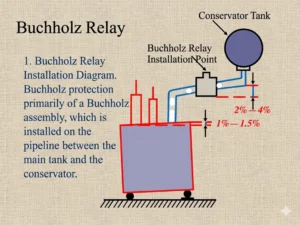
Light Gas Protection — 71G-L
Detects gas accumulation associated with developing internal transformer abnormalities and provides an alarm signal.
Heavy Gas Protection — 71G-H
Detects severe internal faults associated with rapid oil movement and provides a trip signal.
Transformer Temperature Protection
Oil Temperature Protection — 26‑O
Winding Temperature Protection — 26‑W
Oil temperature protection monitors transformer oil temperature, while winding temperature protection provides additional protection against excessive winding heating.
Transformer Pressure Protection
The ASK-43H supports pressure relief / surge protection to detect abnormal pressure conditions associated with transformer internal faults and provide an appropriate protection signal.
Protection Function Table
| ANSI | Protection Function | Protection Type |
|---|---|---|
| 71G-L | Light Gas Protection | Gas / Buchholz |
| 71G-H | Heavy Gas Protection | Gas / Buchholz |
| 26-O | Oil Temperature Protection | Temperature |
| 26-W | Winding Temperature Protection | Temperature |
| 63-P | Pressure Relief / Surge Protection | Pressure |
Applications
The ASB-4401H backup protection relay is suitable for a wide range of transformer applications across utility, industrial, and renewable energy sectors.
-
Oil-Immersed Power Transformers: Backup protection for phase and earth faults, supporting Buchholz and temperature inputs for comprehensive protection.
-
Distribution Transformers: Ideal for 10kV, 20kV, 33kV, 66kV, and 110kV distribution networks — including Buchholz and temperature monitoring integration.
-
Substation Transformers: Provides overcurrent, earth fault, and voltage backup protection for substation transformers with SCADA integration capabilities.
-
Industrial Transformers: Reliable backup protection for transformers supplying factories, mines, and large industrial facilities.
-
Renewable Energy Transformers: Suitable for solar, wind, and hydro applications where transformer protection must coordinate with inverter or generator protection.
-
Transformer Protection Panels: Can be integrated into new or retrofit transformer protection panels as a backup protection module alongside primary differential relays.
Key applications include: 33 kV, 66 kV, and 110 kV transformers in utility networks, plus industrial and renewable energy installations requiring coordinated phase/earth fault backup and Buchholz/temperature monitoring.
How Does ASK-43H Work with Electrical Transformer Protection?
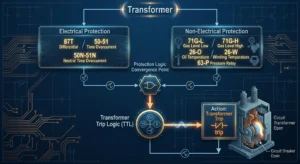
The ASK-43H complements electrical transformer protection by monitoring gas, temperature and pressure conditions. It can be installed in the same protection system as transformer differential and backup protection devices.
General Technical Data
| No. | Parameter Category | Parameter Name | Technical Specification |
|---|---|---|---|
| 1 | Control Circuit Power Supply | Rated Control Circuit Power Supply | DC 220 V / AC 220 V (to be specified when ordering) |
| 2 | Trip & Close Circuit Rating | Rated Trip & Close Operating Current | 0.5–5 A (to be specified when ordering) |
| 3 | Output Contacts Technical Specifications | DC Circuit Breaking Capacity | 50 W (applicable to DC circuit with voltage ≤ 250 V, current ≤ 0.5 A, time constant 5 ± 0.75 ms) |
| 4 | Output Contacts Technical Specifications | Continuous Current Rating (Output Contacts) | ≤ 5 A |
| 5 | Output Contacts Technical Specifications | Maximum Allowable Make Current (DC Circuit) | 5 A (applicable to DC circuit with voltage ≤ 250 V, current ≤ 0.5 A, time constant 5 ± 0.75 ms) |
| 6 | Input Contacts Technical Specifications | AC Circuit Breaking Capacity (Input Contacts) | 50 W (applicable to AC circuit with voltage ≤ 250 V) |
| 7 | Input Contacts Technical Specifications | Maximum Allowable Make Current (AC Circuit) | 5 A (applicable to AC circuit with voltage ≤ 250 V) |
Environmental Conditions
- Operating conditions: –20°C to +70°C, relative humidity 5% to 95% (no condensation or freezing inside the unit)
- Storage: –30°C to +80°C. When no excitation is applied at the extreme temperature limits, the device shall not undergo irreversible changes, and it shall function normally once the temperature returns to normal. Packaged devices shall be stored at an atmospheric pressure of 80–110 kPa (equivalent to an altitude of 2 km or less) and a relative humidity of no more than 85%.
- Transportation: -25°C to +70°C, relative humidity not exceeding 85%;
Status Indicator Descriptions
| Name | Definition | Color | Status | Remark |
|---|---|---|---|---|
| Heavy Gas 1 | Heavy Gas 1 Indicator | Red | Steady On | |
| Heavy Gas 2 | Heavy Gas 2 Indicator | Red | Steady On | |
| Pressure Relief | Pressure Relief Indicator | Red | Steady On | |
| Over-temperature Trip | Over-temperature Trip Indicator | Red | Steady On | |
| Forced Cooling Trip | Forced Cooling Trip Indicator | Red | Steady On | |
| Power | Power Indicator | Red | Steady On | |
| Light Gas 1 | Light Gas 1 Indicator | Red | Steady On | |
| Light Gas 2 | Light Gas 2 Indicator | Red | Steady On | |
| High Temperature | High Temperature Indicator | Red | Steady On | |
| Cooling Loss | Cooling Loss Indicator | Red | Steady On |
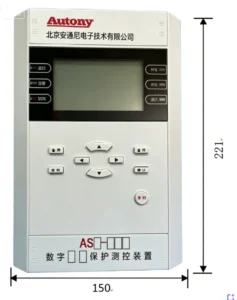
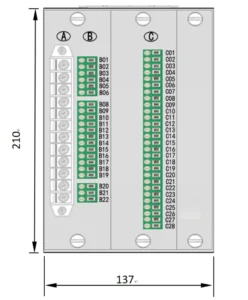
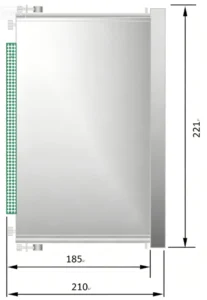
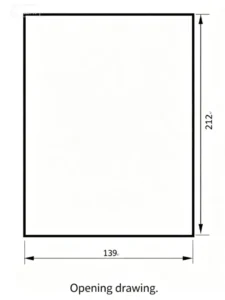
Outline and Installation Dimensions
FAQ
1. What is transformer non-electrical protection?
Protection based on physical parameters — gas, pressure, temperature, oil level — rather than electrical quantities. Detects incipient faults (e.g., minor arcing, core overheating) that electrical relays may miss. Essential for oil-immersed transformers.
2. What protection functions does the ASK-43H provide?
Buchholz (light gas alarm + heavy gas trip), pressure protection, oil temperature monitoring, winding temperature monitoring, oil level monitoring, and configurable non-electrical trip logic.
3. What is the difference between light gas and heavy gas protection?
| Aspect | Light Gas (Alarm) | Heavy Gas (Trip) |
|---|---|---|
| Trigger | Slow gas accumulation | Rapid oil surge |
| Action | Alarm — investigate | Immediate trip |
| Typical cause | Partial discharge, hot spots | Major arcing, short circuit |
4. Does the ASK-43H provide Buchholz protection?
Yes. Both light gas (alarm) and heavy gas (trip) functions for oil-immersed transformers.
5. What is the difference between oil temperature and winding temperature protection?
| Aspect | Oil Temperature | Winding Temperature |
|---|---|---|
| Measures | Top oil temperature | Conductor hot-spot temperature |
| Response | Slower | Faster |
| Typical trip | ~90–95°C | ~105–110°C |
6. Does it provide transformer pressure protection?
Yes. Accepts inputs from pressure relief valve or rapid pressure rise relay for fast mechanical backup trip.
7. Can the ASK-43H work with transformer differential protection?
Yes. Complements 87T — differential detects electrical faults; ASK-43H detects incipient (gas/temperature) faults. Provides dry contacts for integration with protection panels and SCADA.
8. Can gas alarm and trip signals be connected to a protection panel?
Yes. Separate dry contacts (light gas alarm, heavy gas trip) can be wired directly to panel terminals, relay binary inputs, or SCADA RTU.
9. Can temperature alarm and trip thresholds be configured?
Yes. Oil and winding temperature thresholds are configurable via the device HMI.
10. What communication interfaces are available?
-
Binary outputs (dry contacts): Alarm/trip signals
-
RS-485 / Modbus RTU (optional): Digital SCADA communication
-
4–20 mA outputs (optional): Continuous temperature transmission
2 reviews for ASK-43H Transformer Non-Electrical Protection Device
Related products
High Quality
Stable performance, reliable design, ensuring safe operation for power system protection and grid stability.
Fast Delivery
Timely delivery to support your urgent orders and project schedules efficiently and professionally at any time.
Best Warranty
Professional Warranty: Reliable after-sales support for stable relay protection and long-term customer satisfaction.
xiao zhang –
This relay integrates Buchholz gas and winding/oil temperature protection, monitors transformer internal abnormal heating and internal arc faults. Simple setting, relay contact output and optional communication for distribution & power transformers.
Jack –
Complete waveform recording, very useful for fault analysis — a solid product.