

-
Leon Zhang sales consultant
-
Email: zxl635973785@gmail.com
-
Phone/WhatsApp: +86 13655813266
Generator Relay and Generator Protection Relays
Generator relays, also known as generator protection relays, monitor generators for electrical faults and abnormal operating conditions. Generator protection relays primarily include generator differential protection, stator ground fault protection, and rotor ground fault protection to ensure the safe operation of the generator.
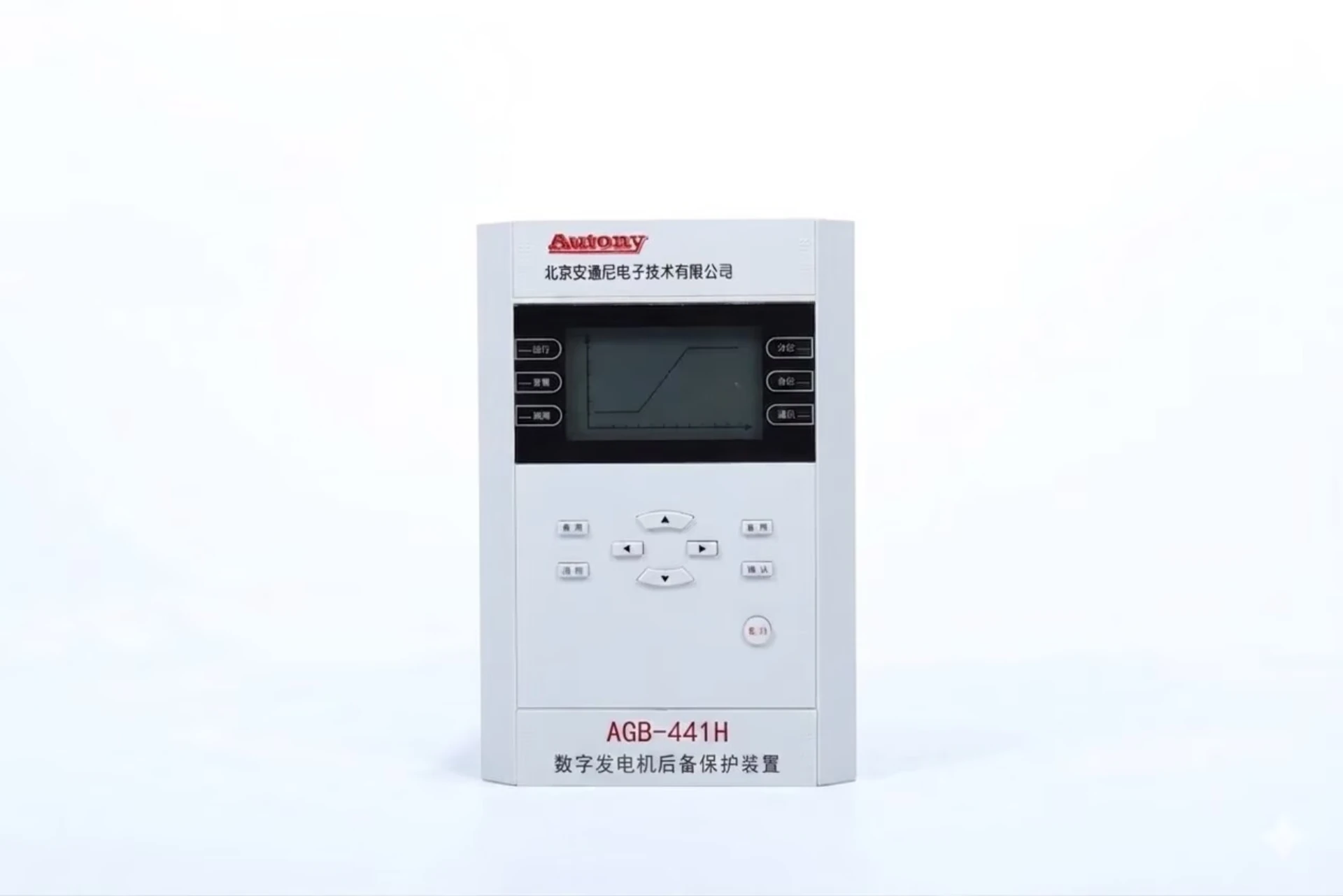
Generator Relay and Generator Protection Relays
A generator relay is an intelligent protection device for generator sets. Also referred to as a generator protection relay. It collects real-time electrical quantities such as voltage, current and excitation, and rapidly identifies faults including short circuits, rotor earth faults and loss of excitation via built-in algorithms.
It sends alarm or tripping signals instantly to isolate faults and prevent generator burnout. Integrated with measurement, fault recording and communication functions, it connects to station monitoring systems to guarantee safe and stable operation of generators and power grids.
Professional generator protection relays for all generators with full protection functions. Stable quality, quick delivery and full technical support.
Feel free to ask for catalog, specs and bulk pricing. Looking forward to your cooperation.
Showing all 8 results
-
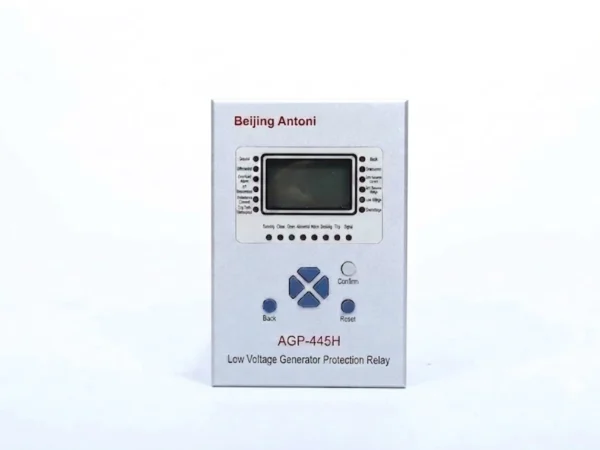
400V Low Voltage Generator Protection Relay
-
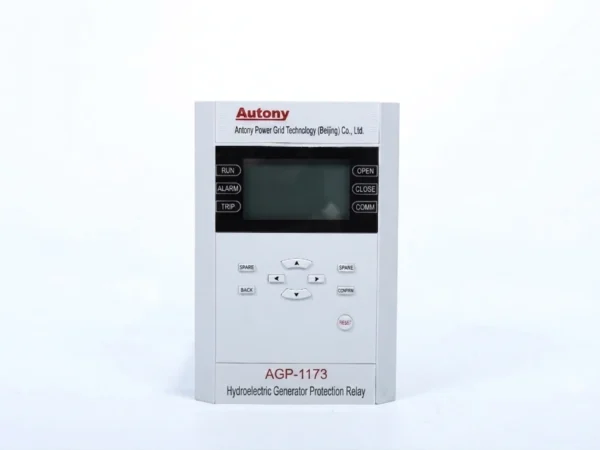
400V Low Voltage Hydroelectric Generator Protection Relay
-
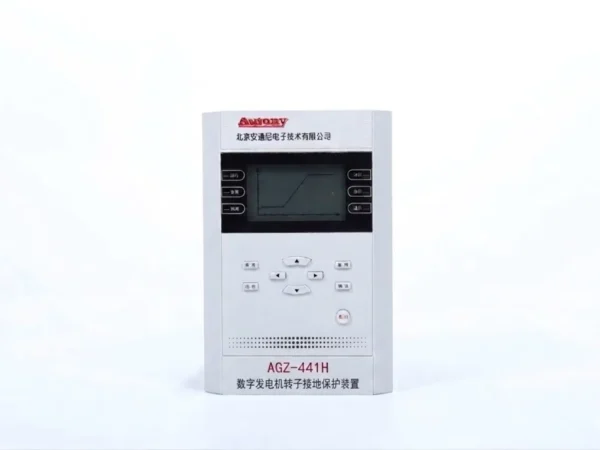
64R Relay for Generator Rotor Protection
-
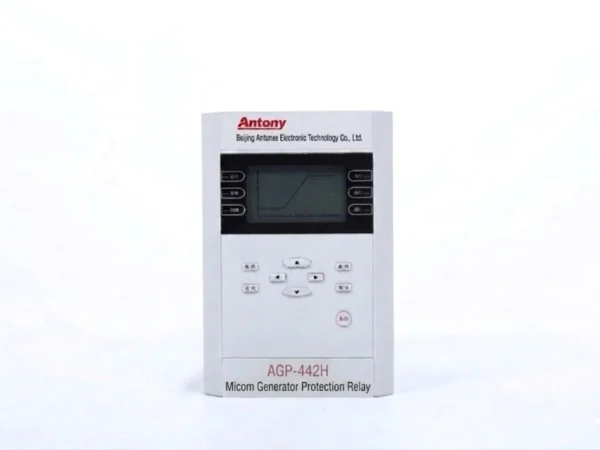
87G/50/51 Generator Protective Relay
-
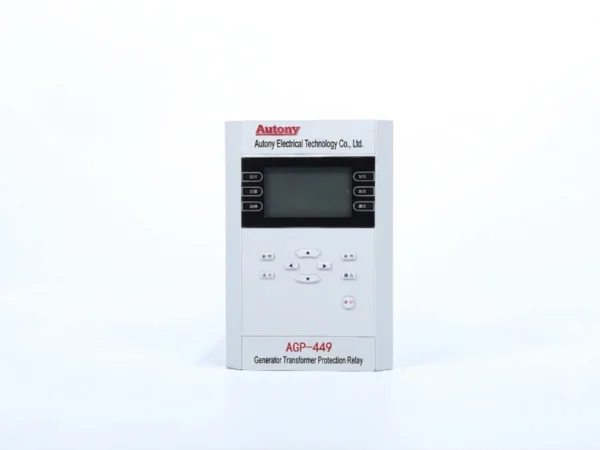
87GT Generator Transformer Protection Relay
-
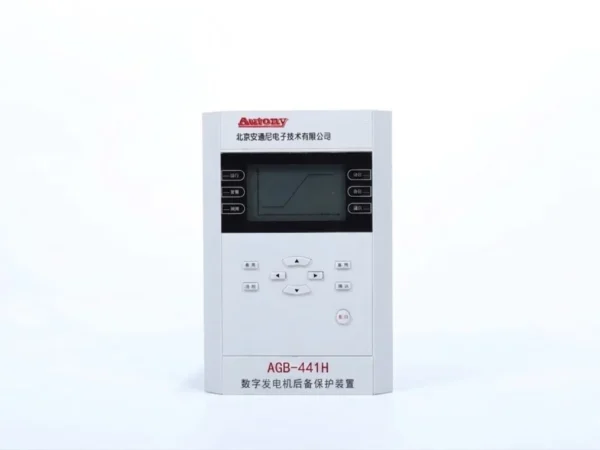
Generator Backup Protection Relay 441H
-
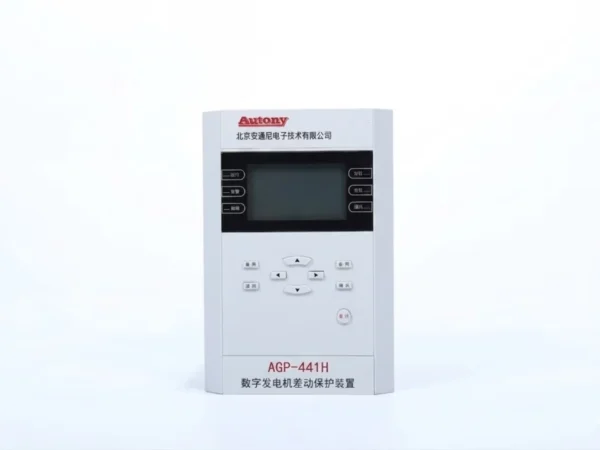
Generator Differential Protection Relay 87G
-
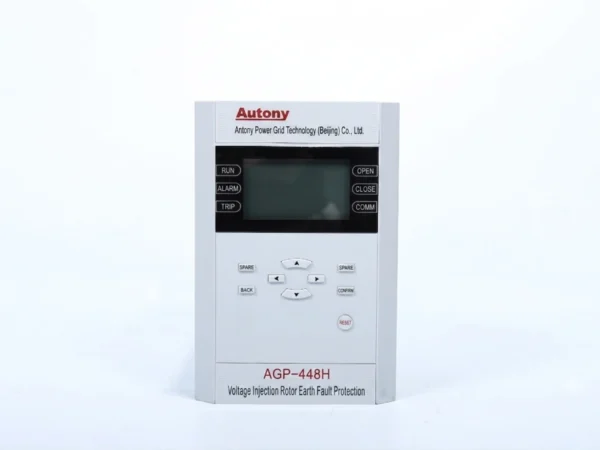
Rotor Earth Fault Protection Relay – Voltage Injection
RelayProtect provides a complete range of generator protection relays designed for hydroelectric generators, diesel generators, and industrial power generation systems.
Our generator protection relay products include generator differential protection relay (87G), rotor earth fault protection relay (64R), generator transformer protection relay (87GT), backup protection relay and multifunction generator protection devices.
These protection relays help detect electrical faults, protect generator units, and ensure safe operation in power plants and industrial applications.
Generator Relay Protection Functions List
| ANSI | Protection Function | Main Purpose |
|---|---|---|
| 87G | Generator Differential | Internal stator faults |
| 64R | Rotor Earth Fault | Rotor insulation / ground fault |
| 64S | Stator Ground Fault | Stator earth faults |
| 50/51 | Overcurrent | Phase faults / backup |
| 32 | Reverse Power | Prevent generator motoring |
| 40 | Loss of Excitation | Detect excitation failure |
| 46 | Negative Sequence | Protect against unbalanced current |
| 24 | Overexcitation | V/Hz protection |
| 27/59 | Under/Overvoltage | Voltage abnormality |
| 81 | Frequency | Under/overfrequency |
Product Listing
Our generator relay range covers primary and backup protection for hydroelectric, diesel, gas and industrial generators, including differential, rotor earth fault, reverse power, overcurrent and generator-transformer protection.
| Product Name | Primary Application | Key Features |
|---|---|---|
| 400V Low Voltage Generator Protection Relay | Low-voltage grid-connected generation (small hydro, diesel, biogas, factory emergency power) | Compatible with 400V systems; grid-connected safety protection; simple parameter setting; strong anti-interference |
| 400V Low Voltage Hydroelectric Generator Protection Relay | Small hydro unit control and protection | Supports auto start, excitation, voltage regulation, grid synchronization, power regulation; integrated voltage/current/frequency/temperature protection; RS485 communication |
| Generator Backup Protection Relay | Backup to main protection; covers internal defects and external line faults | Graded coordination settings; monitors stator, rotor and grid-side faults; time-delayed operation |
| Voltage Injection Rotor Earth Fault Protection Relay (64R) | Rotor insulation monitoring and ground fault protection | Low-frequency AC injection; no blind zone; supports single-point alarm, two-point trip, fault location; monitors even without excitation voltage |
| Ping-Pong Type Rotor Earth Fault Protection Relay (64R) | Rotor insulation monitoring and ground fault protection | Ping-pong alternating measurement; locates ground fault points; prevents two-point earth fault damage |
| Generator Integrated Protection Relay | Integrated protection for low-voltage captive units (small hydro, gas generators) | Integrates differential + backup protection; supports fault recording, event logging, remote communication; flexible trip logic setting |
| Generator Transformer Protection Relay (87GT) | Complete protection for generator-transformer units | Simultaneously provides generator main/backup protection and transformer differential/backup protection; widely used in large/medium thermal and hydro power plants |
| Generator Differential Protection Relay (87G) | Primary protection for stator winding phase-to-phase short circuits | Compares current difference between two sides; instantaneous tripping; prevents winding burnout |
Types of Generator Protection Relays
| Relay Type | ANSI Code | Application |
|---|---|---|
| Generator Differential Relay | 87G | Internal generator fault |
| Rotor Earth Fault Relay | 64R | Rotor insulation monitoring |
| Generator Transformer Relay | 87GT | Generator-transformer unit |
| Reverse Power Relay | 32 | Prevent motoring |
| Loss of Excitation Relay | 40 | Excitation failure |
| Overcurrent Relay | 50/51 | Backup protection |
Applications of Generator Protection Relays

| Application | Typical Relay |
|---|---|
| Hydropower Plant | 87G + 64R |
| Diesel Generator Set | 50/51 + 32 |
| Industrial Power Plant | Multifunction Relay |
| Generator Transformer Unit | 87GT |
| Microgrid | Complete Protection Package |
Why Choose Our Generator Protection Relays?
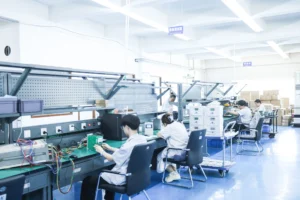
- We possess mature and stable core algorithms, covering a full range of solutions including injection-type and ping-pong rotor earth fault protection, generator differential protection and generator-transformer integrated protection, compatible with 400V low-voltage small hydropower stations, diesel backup generators and large & medium-sized power stations.
- The protection system features precise hierarchical logic with fast response of main protection and well-coordinated backup protection, effectively eliminating hazards such as unit short circuit, insulation breakdown, reverse power transmission and islanding operation.
- Our devices boast strong anti-interference capability and wide-temperature design, capable of stable long-term operation under harsh conditions including humid outdoor environments and intense electromagnetic interference.
- One-click parameter setting and intuitive visual HMI are available. Equipped with standard RS485 communication interface, the products can be seamlessly connected to SCADA and remote monitoring systems for easy installation and commissioning.
- Customized functions and cabinet specifications are available on demand. We provide one-stop services including technical clarification, setting guidance and after-sales technical support to meet bidding and complete set supporting demands for domestic and overseas projects.
Generator Protection Relay-FAQ
Q1: What are generator protection relays?
A: Generator protection relays are intelligent electronic devices that continuously monitor a generator’s electrical parameters (current, voltage, frequency, etc.) to detect faults and abnormal conditions. When a fault is detected, they issue a trip command to disconnect the generator from the grid, preventing catastrophic damage to the machine.
Key roles:
-
Measure via CTs and PTs
-
Detect internal/external faults
-
Trip circuit breakers
-
Communicate with SCADA systems
Q2: What types of generator protection relays are available?
A: Common types include:
| Type | Protection Function | ANSI Code |
|---|---|---|
| Generator Differential Relay | Stator internal fault protection | 87G |
| Rotor Earth Fault Relay | Rotor insulation monitoring | 64R |
| Stator Ground Fault Relay | Stator winding ground fault | 64S |
| Overcurrent Relay | Backup protection for overload/faults | 50/51 |
| Reverse Power Relay | Prevents motoring | 32 |
| Loss of Excitation Relay | Excitation failure detection | 40 |
| Negative Sequence Relay | Unbalanced load protection | 46 |
| Overexcitation Relay | V/Hz protection against core saturation | 24 |
| Voltage Relay | Over/under voltage protection | 27/59 |
| Frequency Relay | Over/under frequency protection | 81 |
| Generator Transformer Relay | Generator + transformer unit protection | 87GT |
| Backup Protection Relay | Comprehensive backup protection | 441H |
| Low Voltage Generator Relay | 400V generator protection | – |
Q3: What is 87G generator differential protection?
A: 87G is the primary high-speed protection for detecting internal stator winding faults in generators.
How it works:
-
CTs are installed at both ends of the stator windings (neutral side and line side)
-
Under normal conditions, currents at both ends are equal → differential current = 0
-
During an internal fault, currents become unequal → differential current appears
-
The relay issues an instantaneous trip command
Key features:
-
Dual-slope characteristic for stability during external faults
-
High sensitivity for internal faults
-
CT saturation detection to prevent false tripping
Q4: What protection functions does a generator need?
A: Depends on the generator’s size, type, and criticality. Three tiers:
| Tier | Functions | ANSI Codes | Best For |
|---|---|---|---|
| Basic | Overcurrent protection | 50/51 | Small, non-critical generators |
| Advanced | Basic + Differential protection | 50/51 + 87G | Medium industrial generators |
| Complete | Advanced + Rotor earth fault + Loss of excitation + Reverse power | 87G + 64R + 40 + 32 | Large, utility-critical generators |
Additional functions as needed: 64S (stator ground), 46 (unbalance), 24 (overexcitation), 27/59 (voltage), 81 (frequency).
Q5: How to select a generator protection relay?
A: Based on three key factors:
1. Generator Type
| Type | Key Protection Focus |
|---|---|
| Hydro | Loss of excitation (40), frequency (81), reverse power (32) |
| Diesel | Reverse power (32), unbalance (46), overcurrent (50/51) |
| Gas | Overfrequency, overcurrent, differential (87G) |
2. Voltage Level
| Voltage | Recommended Relay |
|---|---|
| 400V | Basic relay with overcurrent (50/51) |
| 6.6kV | Standard relay with differential (87G) |
| 11kV | Advanced relay with full protection suite |
| 13.8kV | High-end relay with SCADA communication |
3. Protection Tier
| If your generator is… | Choose… |
|---|---|
| Small or non-critical | Basic (50/51) |
| Medium-sized | Advanced (50/51 + 87G) |
| Large or critical | Complete (87G + 64R + 40 + 32) |
Q6:What is a generator relay?
A generator relay is a protective relay used to monitor a generator’s electrical parameters and detect faults or abnormal operating conditions. It may provide functions such as differential protection, overcurrent protection, reverse power protection, loss-of-excitation protection, rotor earth fault protection and voltage or frequency protection. In power systems, the terms generator relay and generator protection relay are often used to describe the same type of protective device.
Q7: What does a generator relay protect against?
A generator relay can protect against internal winding faults, rotor and stator ground faults, overcurrent, reverse power, loss of excitation, negative-sequence current, overexcitation, abnormal voltage and frequency conditions. The required protection functions depend on the generator type, rating and application.
General Equipment & System Integration Inquiry
Whether you need individual protection relays, control panels, or a complete secondary system integration, please fill in the form below. We provide technical parameters, competitive quotations, engineering drawings, and on-site support. Our expert team is ready to assist you within 24 hours.
High Quality
Stable performance, reliable design, ensuring safe operation for power system protection and grid stability.
Fast Delivery
Timely delivery to support your urgent orders and project schedules efficiently and professionally at any time.
Best Warranty
Professional Warranty: Reliable after-sales support for stable relay protection and long-term customer satisfaction.