

-
Leon Zhang sales consultant
-
Email: zxl635973785@gmail.com
-
Phone/WhatsApp: +86 13655813266
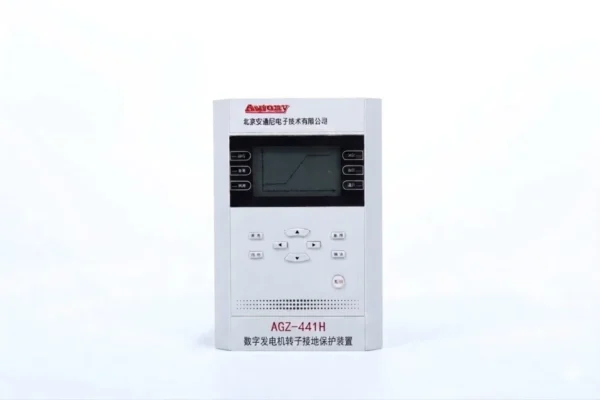
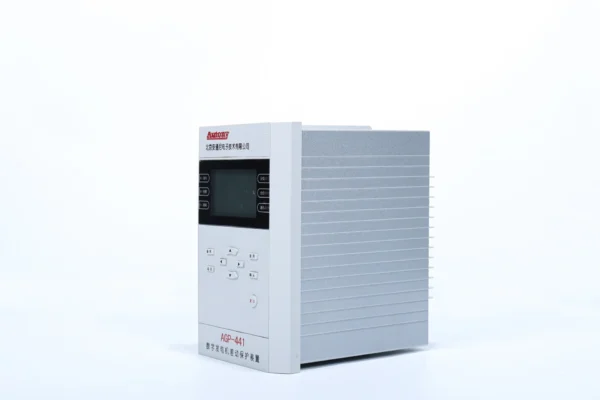
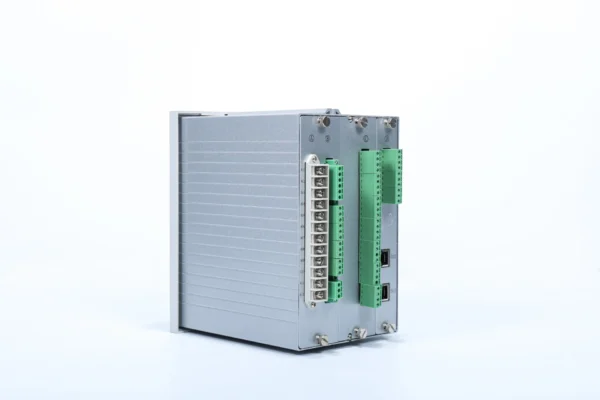
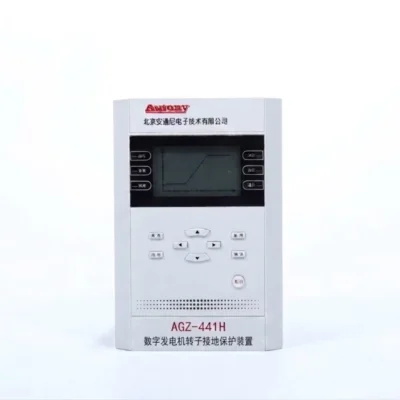
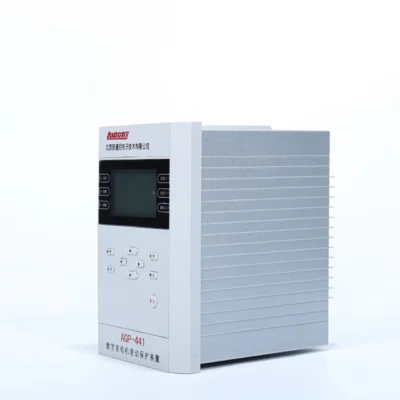
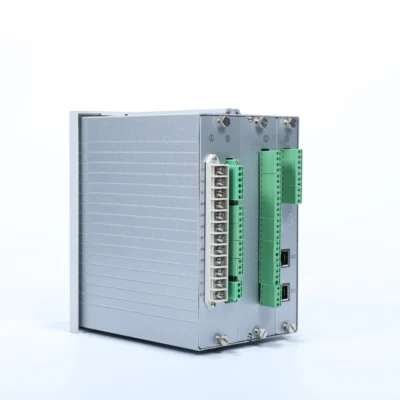
64R Relay for Generator Rotor Protection
The 64R Relay is suitable for protecting generators with hydro turbine capacities not exceeding 10 MW and steam turbine generator capacities not exceeding 100 MW.
Protection Configuration
The generator rotor is grounded at one point
Two-point grounding of the generator rotor
Communication Mode
Optional: RS-485, CAN bus, Ethernet, IEC 60870-5-103 (IEC-103)
Send your requirements, we will quote for you within 12 hours
Description
64R Relay Overview
A 64R relay is a generator protection device used to monitor the insulation condition of the rotor winding or excitation circuit and detect rotor-to-ground faults.
What Is a 64R Relay?
A 64R relay is a generator protection relay designed to monitor the insulation condition of the rotor winding or excitation circuit and detect rotor-to-ground faults.
| Term | Meaning |
|---|---|
| 64R | ANSI device number commonly associated with generator rotor earth-fault protection |
| 64R relay | Relay used to monitor rotor insulation and detect rotor-to-ground faults |
| Rotor protection | Protection of the generator rotor and excitation circuit |
| Ping-Pong method | Rotor insulation monitoring method used by this relay |
Why Is 64R Protection Important for Generators?
| Reason | Explanation |
|---|---|
| Localized heating | First earth fault causes uneven current distribution and insulation stress |
| Second fault risk | Two earth faults create a shorted winding section → vibration, shaft magnetization, burning |
| Equipment protection | Rotor is costly and critical; early detection prevents major damage |
| Maintenance planning | Alarm-based protection allows scheduled repairs instead of forced outages |
| Code compliance | Required by standards for large generators and critical machines |
What Happens When a Generator Rotor Has an Earth Fault?
| Grounding Status | Trip Required? | Main Risks |
|---|---|---|
| Single-point grounding | No trip (alarm only) | Early warning of insulation deterioration; maintenance should be scheduled promptly |
| Two-point grounding | Immediate trip required | Winding burnout, vibration damage, rotor shaft magnetization |
| Intermittent / arcing grounding | Depends on severity | Overvoltage damages turn-to-turn insulation and expands the fault |
Single-Point vs Two-Point Rotor Faults
| Comparison Item | Single-Point Grounding | Two-Point Grounding |
|---|---|---|
| Number of fault points | 1 | 2 (at different locations) |
| Short-circuit loop formed? | No (no short-circuit current) | Yes (partial winding is shorted, generating massive short-circuit current) |
| Immediate impact on unit | No significant effect; unit can continue operating | Severe vibration, winding burnout, rotor shaft magnetization |
| Protection response | Alarm signal only, no trip | Immediate trip and shutdown |
| Remedial action | Schedule planned maintenance | Emergency shutdown, full inspection and repair |
How Does a 64R Rotor Earth Fault Relay Work?
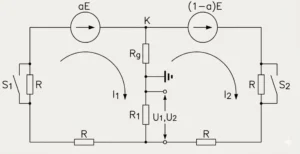
Ping-Pong Method is an online insulation resistance monitoring technique used for rotor earth fault protection. It is an improved variant of the injection-type detection method. Its core principle is to alternately inject positive and negative DC voltages, and measure the leakage current during each injection, thereby eliminating system interference and accurately calculating the insulation resistance of the rotor winding to ground.
64R Relay Protection Functions
| Function | Description |
|---|---|
| Rotor insulation monitoring | Continuously tracks rotor-to-ground insulation condition |
| Single-point rotor earth fault alarm | Alarms on first earth fault; unit remains operational |
| Two-point rotor earth fault protection | Trips immediately on second fault to prevent severe damage |
| Ground fault detection | Detects earth faults in rotor/excitation circuit |
| Insulation resistance measurement | Measures insulation resistance to assess insulation health |
| Fault location | Pinpoints fault position along rotor winding for repair |
| Alarm output | Provides alarm signal (contact/digital) for operator warning |
| Trip output | Sends trip signal to shut down generator on critical faults |
| Event recording | Records faults, timestamps, and relay actions for diagnostics |
| Communication | Supports SCADA integration via standard protocols (Modbus, IEC 61850, DNP3) |
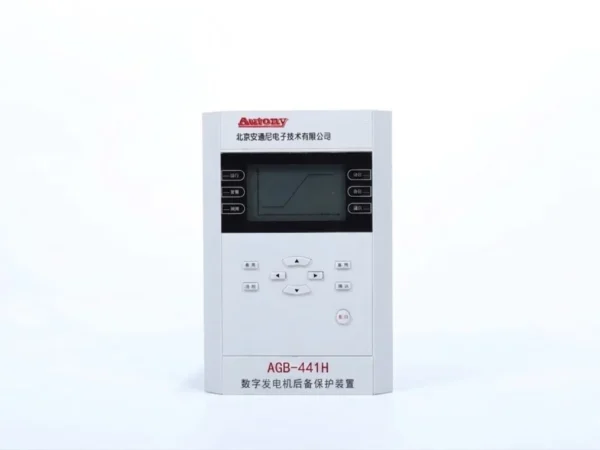
AGZ-441H Product Overview
- The rotor earth fault protection relay 50N/51N is suitable for protecting generators with hydro turbine capacities not exceeding 10 MW and steam turbine generator capacities not exceeding 100 MW.
- Together with generator differential protection and generator backup protection, it forms a comprehensive generator protection system. It can be installed in a centralized panel or distributed across multiple locations.
Device storage capacity
- Trip Reports: The device cyclically stores up to 128 latest trip records.
- Operation Log: It cyclically records up to 128 recent operation events.
- Device Self-Test: Up to 32 groups of latest self-test data are saved in cyclic mode.
- Fault Recording: The device cyclically keeps 32 recent fault recording events.
Environmental Conditions
- Operating temperature range: -10°C to 55°C
- Operating temperature range: -40°C to 70°C
- Storage temperature: -40°C to 80°C
- Relative humidity: 5%–90% (no condensation inside the product)
- Altitude: ≤2000 m; for altitudes above 2000 m, adjustments shall be made using the altitude correction factor.
Protection Setting Sheet
| No. | Setting Name | Setting Range | Unit | Default Value | Remark |
|---|---|---|---|---|---|
| 1 | One-point Ground Fault Setting | 0.1–100 | kΩ | 10 | Unit: kΩ (kiloohm) |
| 2 | One-point Ground Fault Time Delay | 0–100.00 | s | 5 | Adjustable on-site as required |
| 3 | One-point Ground Fault Mode | 0–2 | — | 2 | 0=Disabled, 1=Trip, 2=Alarm |
| 4 | Two-point Ground Fault Setting | 0.050–0.999 | % | 30% | 0.3, position deviation between one-point and two-point grounding |
| 5 | Two-point Ground Fault Time Delay | 0–100 | s | 2 | |
| 6 | Ground Protection Starting Voltage | 10–500 | V | 50 | Default: 50V; set according to actual excitation voltage |
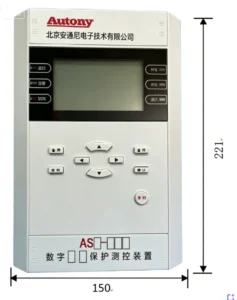
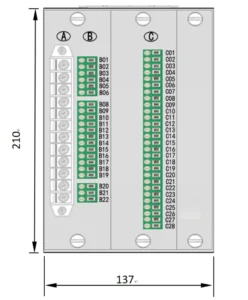
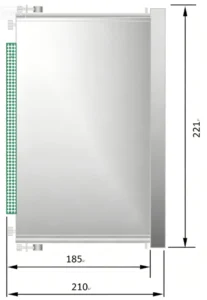
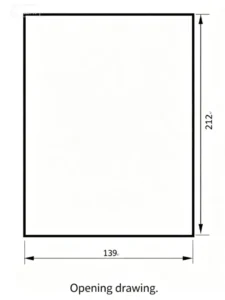
Dimensions and Cutout Sizes
64R Relay Applications
- Hydroelectric generators
- Steam turbine generators
- Gas turbine generators
- Diesel generators
- Industrial synchronous generators
- Large synchronous motors
- Power plants
- Industrial power systems
FAQ
1. What is a 64R relay?
A 64R relay is a generator protection relay dedicated to detecting rotor earth faults and monitoring the insulation resistance of the rotor winding or excitation circuit to ground.
2. What does a 64R relay protect?
It protects the generator rotor winding and the excitation circuit against earth/ground faults.
3. How Does a 64R Relay Work?
A 64R relay uses voltage injection to monitor rotor insulation. It superimposes a low-frequency signal onto the rotor circuit, measures leakage current, and calculates rotor-to-ground resistance. When resistance drops below the setting, it issues an alarm or trip.
4. What Causes a Rotor Earth Fault?
Common causes include insulation aging, moisture ingress, contamination, mechanical damage to the rotor winding, brush or slip-ring wear, and overvoltage stress on the excitation circuit.
5. What Happens When a Generator Rotor Has an Earth Fault?
A single-point fault may not cause immediate damage but indicates insulation degradation. If a second fault develops, part of the winding is shorted, causing magnetic imbalance, vibration, overheating, bearing damage, or more serious rotor problems.
6. What Is the Difference Between 64R and 64S?
ANSI 64R is rotor earth fault protection, monitoring the rotor circuit insulation to ground. ANSI 64S is stator earth fault protection, monitoring the generator stator winding insulation to ground. They protect different parts of the generator.
7. Does a 64R Relay Detect Single-Point and Two-Point Rotor Faults?
Yes. It detects single-point faults at an early stage and identifies two-point faults when a second fault occurs, allowing alarm or trip actions based on the protection scheme and settings.
8. What Is the Difference Between Voltage Injection and Ping-Pong Rotor Protection?
Voltage injection superimposes an independent signal onto the rotor circuit, allowing monitoring even without excitation voltage, including at standstill. Ping-Pong protection applies alternating polarity to the rotor circuit and measures insulation resistance in both directions, but is more dependent on the excitation system and less effective at standstill.
9. How Do You Test a 64R Relay?
Testing typically includes injection circuit verification, insulation resistance simulation, alarm and trip threshold checks, time delay verification, and functional testing with a simulated earth fault. The relay should also be checked for correct communication and event recording.
Other Generator Protection Equipment
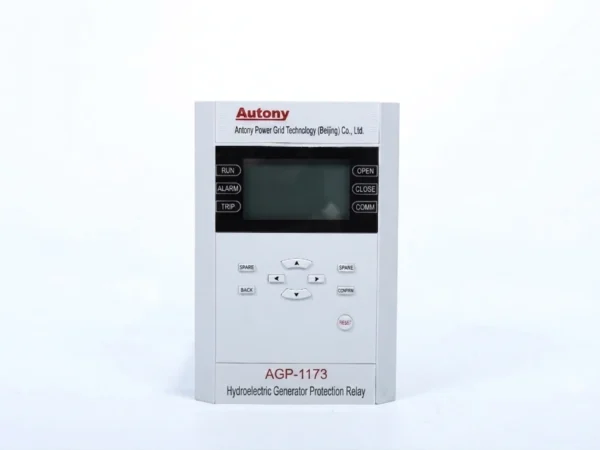
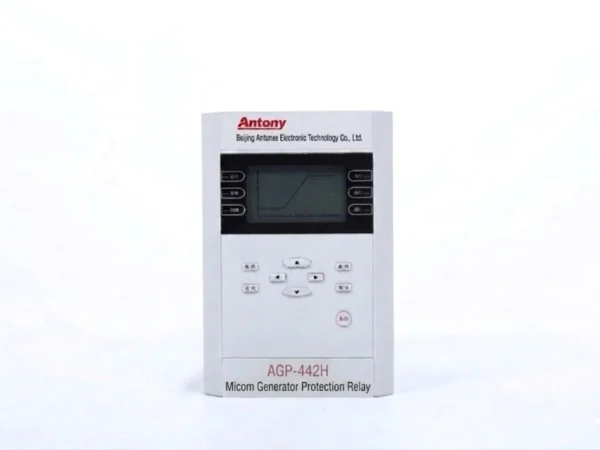
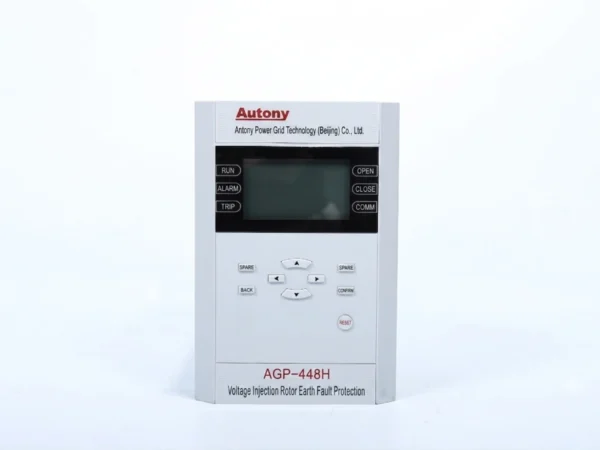
64R Rotor Earth Fault Protection Relay | Voltage Injection
441H generator backup protection relay
Additional information
| Rated Voltage | 3.0kV, 3.6kV, 7.2kV, 12kV, 12.7kV, 24kV, 25.2kV, 36kV, 40.5kV, 72.5kV, 126kV, 252kV, 363kV, 550kV, 800kV |
|---|
2 reviews for 64R Relay for Generator Rotor Protection
Related products
High Quality
Stable performance, reliable design, ensuring safe operation for power system protection and grid stability.
Fast Delivery
Timely delivery to support your urgent orders and project schedules efficiently and professionally at any time.
Best Warranty
Professional Warranty: Reliable after-sales support for stable relay protection and long-term customer satisfaction.
xiao zhang –
Rotor earth fault relay (ANSI 64R) monitors generator rotor winding insulation damage. High measuring precision, adjustable sensitivity and standard communication, widely used for turbo & hydro generators.
Jack –
Clear LED indicators provide quick status checks at a glance.