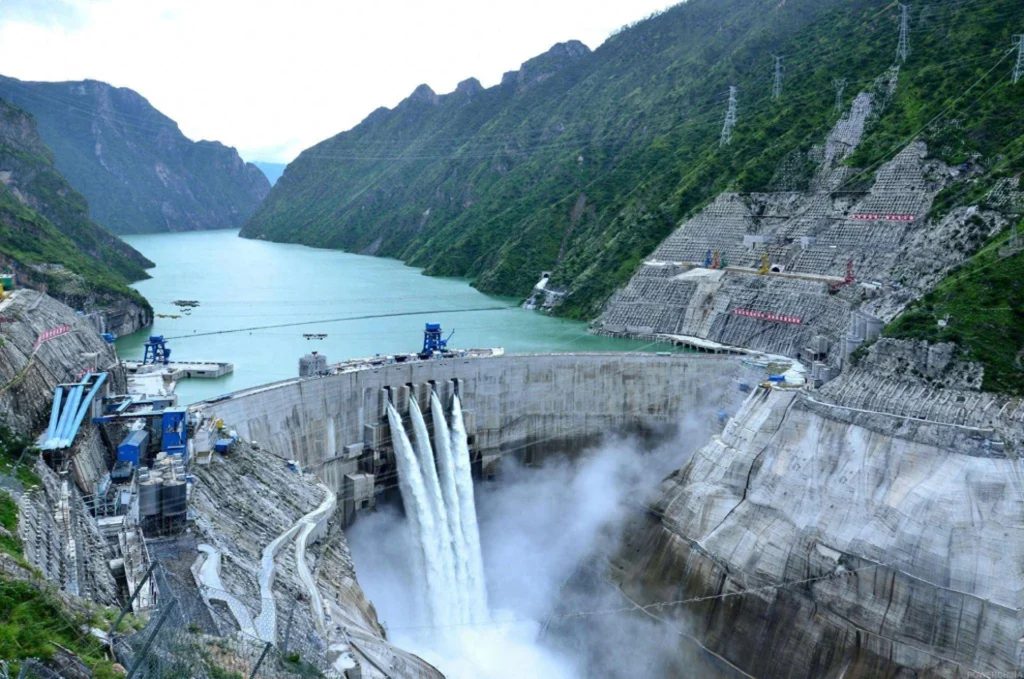
Hydropower stations are categorized into low-voltage and high-voltage stations, though their automated control logic remains similar.
Hydropower StationSolutions cover core operations including measuring water levels and flow rates in inlet and outlet pools and controlling water gates.
In high-voltage stations, a governor regulates turbine opening to automatically control generator power output; low-voltage stations adopt brushless or brushed excitation modes, with a controller managing generator output.
Low-Voltage Hydropower Stations: These utilize low-voltage generators and turbines combined with a “Four-in-One” integrated control panel (merging primary and secondary equipment). Generated power is stepped up via a transformer for high-voltage transmission. This setup involves automatic generation control, synchronization detection, step-up transformer protection panels, background monitoring systems, and mobile app integration.
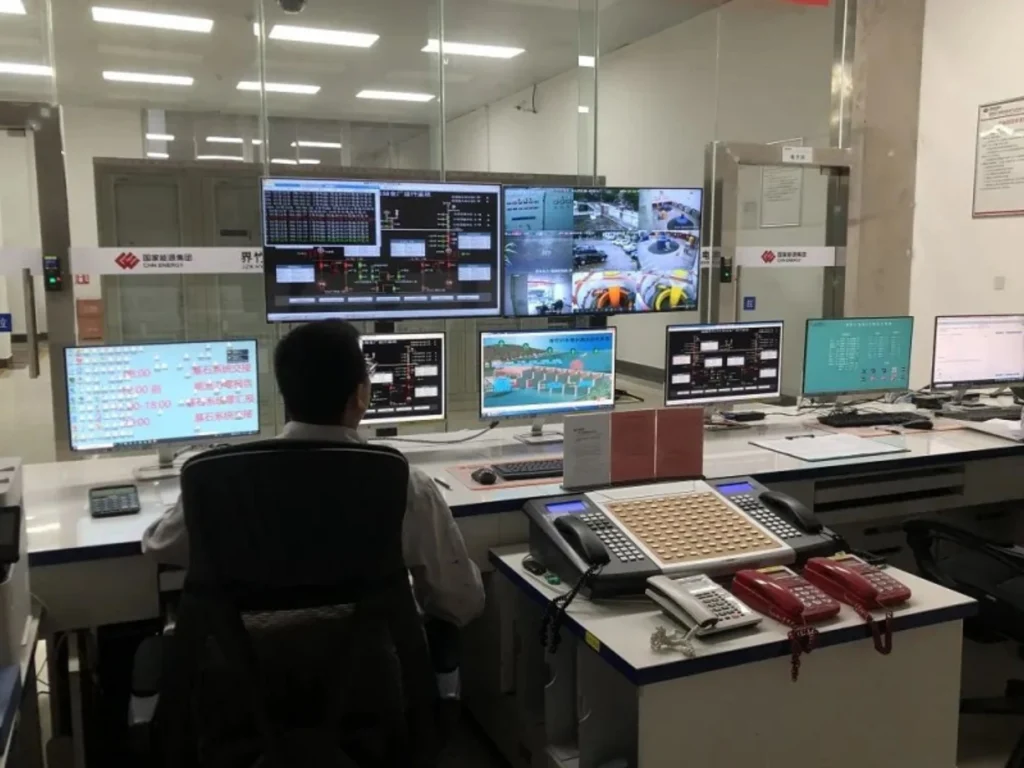
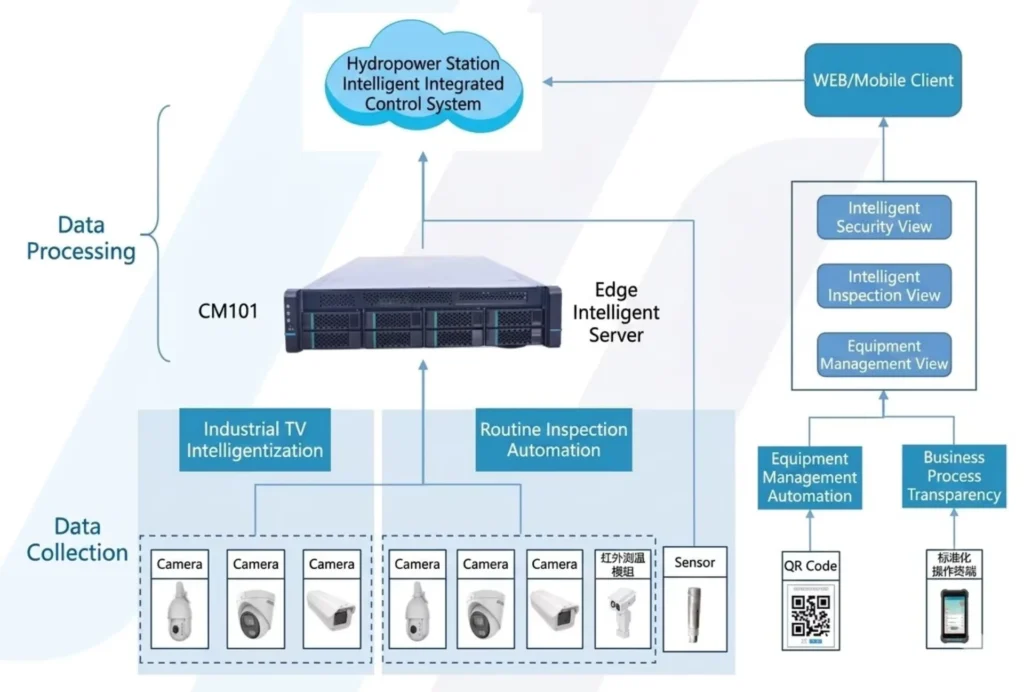
High-Voltage Hydropower Stations: These use comprehensive automation systems to control gate openings based on pool depth and flow, and utilize governors to adjust turbine blade openings for automatic power generation. The overall system provides effective monitoring of the power supply, relay protection, automation, dispatch communication, and auxiliary systems (oil, water, fire protection). It implements “Four Remote” functions (Control, Metering, Regulation, and Signaling) to achieve an automated microcomputer-based integrated protection and generation solution.
Equipment Composition of Hydropower Station Solutions
I. Hydropower Station Automation System
Background Monitoring System
Microcomputer Five-Prevention (Interlock) System (Linux/Domestic OS, includes Host + Keys + Locks + Software)
Network Communication Panel (Dispatch communication manager + GPS/Beidou satellite clock + Fiber switch)
Hydrological (Rain/Water) Information System
Fire Protection System
Auxiliary Machine Control Box
Video Surveillance System Electrical Engineering
Large-Screen System Equipment
Electronic Fence
The application of hydropower station automation systems is of great practical significance for modern water power operation. It realizes automatic monitoring, data collection and intelligent control of water level, flow, unit operation and gate status, replacing traditional manual inspection and manual operation.
The system effectively reduces labor costs, lowers human operation errors, and improves the overall operational efficiency and safety stability of hydropower stations. It can automatically adjust unit output, optimize energy dispatching, and give timely fault alarm and linkage protection to avoid equipment failure and safety accidents.
Meanwhile, it supports remote monitoring and centralized management, promotes the intelligent and unmanned development of hydropower stations, saves operating costs, maximizes power generation benefits, and meets the requirements of smart grid and clean energy development.
FAQ | Hydropower Station Solutions
Q1: What does your hydropower station solution mainly contain?
A1: It covers unit automation control, protection devices, monitoring system, grid connection equipment and whole-station intelligent renovation for new-built and upgraded hydropower plants.
Q2: Is the solution applicable to small runoff hydropower and large reservoir hydropower stations?
A2: Yes. We provide tailored schemes for mini, small, medium and large hydropower projects according to installed capacity and operation mode.
Q3: Can the system realize unattended and few-person on-duty operation?
A3: Equipped with remote monitoring, automatic fault protection and online data upload, it supports unattended operation to lower daily labor costs.
Q4: Will the hydropower control system be compatible with existing old equipment?
A4: It adopts standard communication protocols to dock with original governors, exciters and monitoring cabinets without large-scale equipment replacement.
Q5: What safety protection functions are included in the whole set of solutions?
Q6: Do you provide on-site installation, commissioning and operation training?
A6: We offer overseas field debugging, technical training for operators and long-term remote after-sales support for global clients.
Q7: Can the solution adapt to local power grid standards in Southeast Asia and Africa?
A7: Parameters and protection logic can be customized to meet local grid access specifications in Vietnam, Laos, Nigeria and other regions.
Q8: Does the hydropower solution support later system expansion and function upgrade?
A8: The platform reserves communication interfaces and software expansion space, which can add water regime monitoring and intelligent scheduling functions later.
Q9: How long is the delivery and construction cycle for a conventional small hydropower station?
A9: Equipment delivery takes 2–4 weeks; on-site installation and commissioning can be finished within 7 to 15 working days generally.
Q10: What after-warranty maintenance services can be provided?
A10: We supply spare parts supply, regular firmware updates and periodic remote inspection services after the warranty expires.
Why Choose Us (Hydropower Automation Solutions)
We are your ideal choice for hydropower automation solutions. We provide professional, customized services covering key parameter monitoring, unit regulation and safe operation, strictly following industry standards for stable and reliable system performance.
Our solutions adapt to smart grid development, support remote monitoring and unmanned operation, effectively reducing labor costs and maximizing power generation benefits for you.
About Author
Hello, I'm Leno Zhang. I have 15 years of experience in the power relay protection industry with extensive pre-sales and after-sales project experience. Our company specializes in various complete sets of relay protection and automation equipment. I can assist customers in solving all practical on-site project challenges and provide optimal integrated solutions.
Tell Us Your Requirement
High Quality
Stable performance, reliable design, ensuring safe operation for power system protection and grid stability.
Fast Delivery
Timely delivery to support your urgent orders and project schedules efficiently and professionally at any time.
Best Warranty
Professional Warranty: Reliable after-sales support for stable relay protection and long-term customer satisfaction.