

-
Leon Zhang sales consultant
-
Email: zxl635973785@gmail.com
-
Phone/WhatsApp: +86 13655813266

22kV Substation Power Protection Relays: Design, Standards, Selection & China Supplier Guide
Introduction
I have over 10 years of experience in Power Protection Relays design, commissioning and overseas project service.
22kV substations are widely used in Southeast Asia, Africa, the Middle East and Europe. They serve industrial parks, mines and urban power grids. Relay protection is the core safety system for all 22kV power facilities.
Many overseas projects face repeated troubles:
- Wrong design for 22kV systems
- IEC / ANSI standard mismatch
- Improper relay selection
- Poor device stability in harsh environments
- High cost and long lead time of Western brands
This guide uses short sentences and clear tables. It covers design, technical rules, types, selection and supplier analysis for 22kV substation protection relays. All content comes from real overseas field experience.
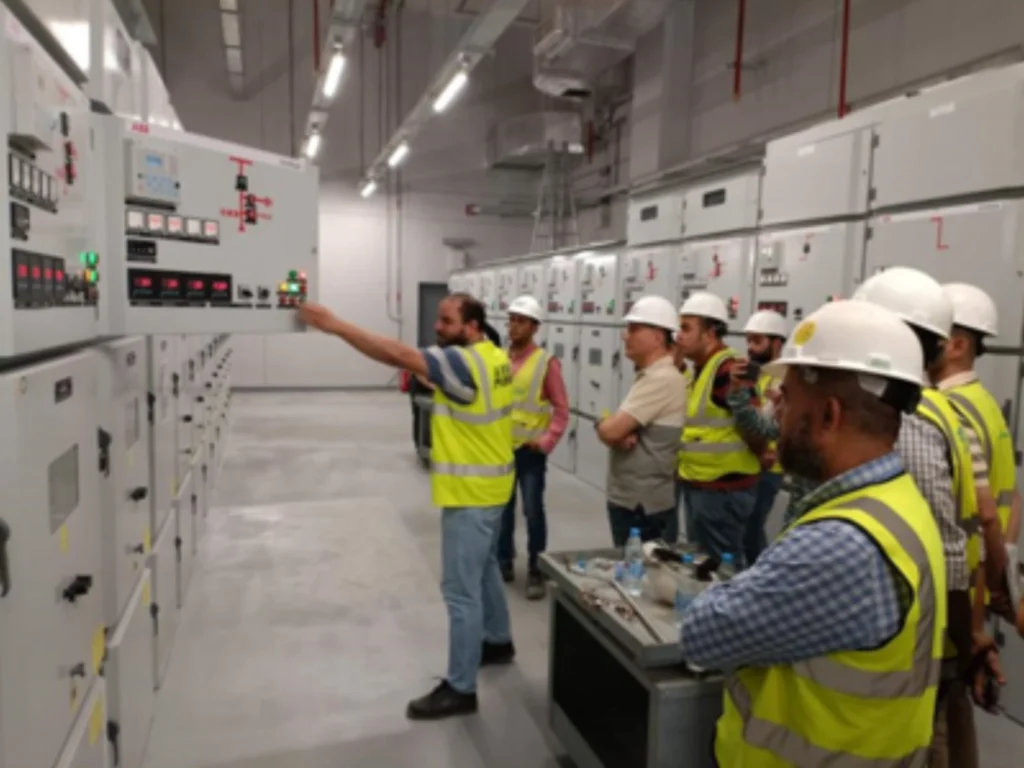
Why 22kV Substation Protection Relays Are Special
System Features
- Most 22kV systems are low-current earthing systems.
- Main faults: phase short circuit, earth fault and overload.
- 22kV protection logic cannot copy 6kV or 110kV solutions.
Common Overseas On-Site Problems
- Secondary circuit interference causes mis-operation.
- CT / PT wiring errors lead to sampling failure.
- Devices cannot match local IEC or ANSI standards.
- High temperature, humidity and salt fog damage equipment.
- Local staff lack professional operation skills.
- Imported brands have long delivery cycles and high prices.
Basic Design Principles
All 22kV relay systems must follow 4 core rules:
- Selectivity: Only cut off faulty equipment.
- Speed: Trip quickly when faults occur.
- Sensitivity: Detect all typical faults accurately.
- Reliability: No mis-operation or refusal to trip.
22kV Relay Protection Design & Technical Requirements
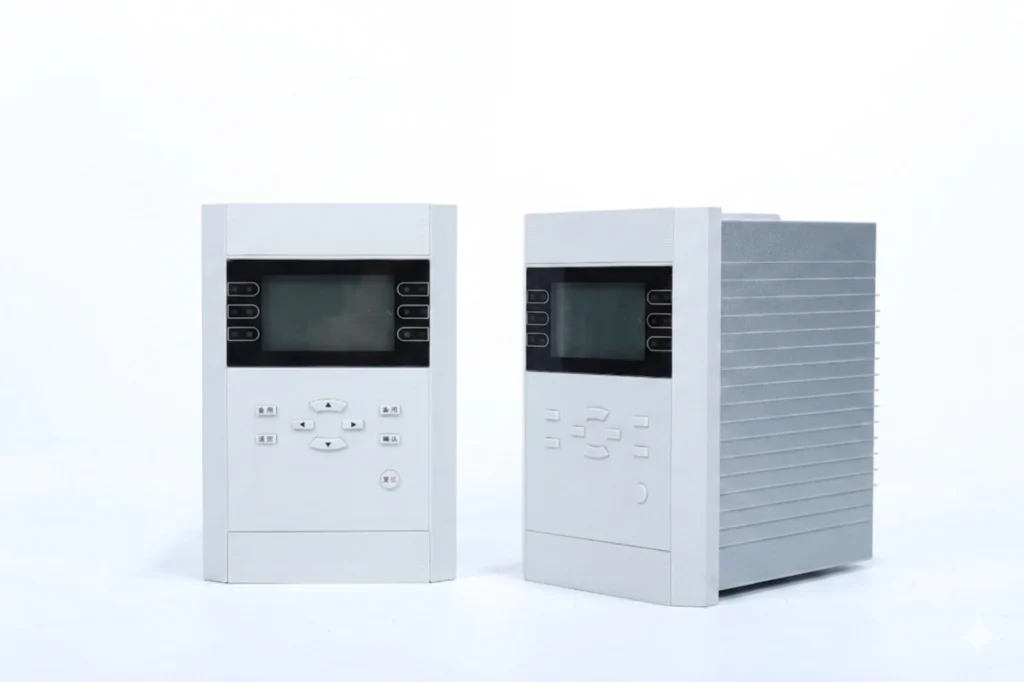
Pre-Design Checklist
Finish these steps before drawing any diagrams:
✅ Collect short-circuit current and load data
✅ Confirm local standard: IEC or ANSI
✅ Define protected objects: line, transformer, motor or busbar
✅ Record on-site temperature, humidity and salt fog level
✅ Confirm communication and SCADA requirements
Field tip: Changing design in later stages will cost 3~5 times more.
Key Secondary Circuit Design Rules
- Separate strong current and weak current cables.
- CT / PT secondary circuit uses single-point earthing only.
- Outdoor cabinets and terminal boxes must be waterproof and dustproof.
- Trip circuit and signal circuit use independent wiring.
- Add lightning protection for all communication ports.
Mandatory Device Technical Parameters
| Item | Required Standard |
|---|---|
| Working Temperature | -20℃ ~ +55℃ |
| Humidity | ≤93%, no condensation |
| Power Input | 40~265V AC/DC wide range |
| Protection Accuracy | ≤5% full scale |
| Sampling Points | ≥64 points per cycle |
| Response Time | <30ms |
| Insulation Resistance | ≥50MΩ |
| Power Frequency Withstand | 2kV / 1min |
| Anti-Interference | Full IEC 61000 test passed |
| Extra Design | 3-level watchdog, English interface |
Types of Protection Relays in Substations & Their Applications
Protection by Protected Equipment
Multilin feeder protection relay
Necessary functions:
- 3-stage overcurrent protection
- Zero-sequence earth fault protection
- Overvoltage & undervoltage protection
- Auto-reclosing
- CT / PT supervision
Experience: For overhead lines, auto-reclosing and ground fault protection relay are indispensable. Depending on actual operating conditions, distance protection and line differential protection may also be applied.
Transformer Protection Relays
Necessary functions:
- Overcurrent & overload protection
- Zero-sequence protection
- Temperature protection
- Buchholz relay protection
High Voltage Digital Motor Protection
Necessary functions:
- Stall protection
- 3-stage overcurrent protection
- Long start protection
- Negative sequence current protection
- Overheat protection
- Dry run protection relay
When selecting electric motor protection relays, note that larger-capacity motors require more sophisticated protection functions, including differential protection and self-balancing differential protection. Smaller motors only need basic protection features.
Busbar & Capacitor Bank Protection Relays
- Busbar: Fast trip for short circuit faults
- Capacitor: Overcurrent, overvoltage and unbalance protection
Auxiliary Common Functions
- Communication and time synchronization functions
- Event record & fault waveform record
- Multiple setting groups for different operation modes
Step-by-Step Relay Selection Guide for Power Protection Relays
Step 1: Confirm Basic Information
- Protected equipment type
- Local standard: IEC / ANSI
- Site environment: normal / high temperature / coastal salt fog
- Communication protocol
- Power supply type
Step 2: Match Protection Functions of Power Protection Relays
| Project Grade | Function Configuration | Suitable Scenarios |
|---|---|---|
| Basic | Overcurrent, earth, voltage, CT/PT monitor | Civil distribution stations |
| Standard | Full line protection + programmable I/O + fault record | General industrial substations |
| Advanced | Dual protection + differential protection + non-electric protection | Important & grid-connected stations |
Note:Power Protection Relays with better performance come at a higher price for projects with stricter technical standards.
Step 3: Check Certificates & Documents
Must-have items for overseas export:
- CE certificate
- IEC test reports
- Full English manuals, wiring drawings and test reports
Three Types of Global Suppliers
| Supplier Type | Advantages | Disadvantages | Suitable Projects |
|---|---|---|---|
| European & American Brands | Mature tech, global service | High price, long lead time (1~4 years) | Large high-end stations |
| Local Small Brands | Nearby after-sales | Weak stability, limited functions | Simple small stations |
| Chinese Brands | Low cost, fast delivery, full functions | Need remote technical support | Most overseas 22kV projects |
Well-received in Southeast Asia and Central Asia, Chinese Power Protection Relays feature solid performance thanks to a full industrial chain. We provide best value multi-function protection relays, with on-site and affordable remote after-sales services.
Typical Selection Mistakes to Avoid
- Use 6kV relay for 22kV system → parameter mismatch
- Ignore IEC / ANSI difference → unable to set values
- Use ordinary devices in salt fog area → fast corrosion
- Buy devices without English documents → difficult for local O&M
Advantages of Chinese 22kV Relay Suppliers

Mature & Reliable Technology
- China has 30+ years of experience in medium voltage protection.
- Most products support IEC & ANSI dual standards.
- Complete functions for lines, transformers and motors.
- Stable performance verified by tens of thousands of overseas stations.
Cost & Delivery Benefits
- Same performance: 25%~40% lower price than Western brands.
- Normal lead time: 6~12 weeks. Rush order available.
- Complete industrial chain, no stock shortage risk.
Strong Environmental Adaptability
- Wide temperature and wide voltage design.
- Enhanced anti-interference, lightning and moisture protection.
- Special optimization for coastal, desert and tropical areas.
Complete Overseas Service
- All products come with full English technical files.
- 24/7 remote English technical support.
- Fast customization for special logic or protocols.
- Global logistics and long-term spare parts supply.
Objective Industry View (10+ Years Experience)
- Chinese 22kV relay products reach international top level.
- For 22kV distribution projects, Chinese solutions are the most cost-effective choice.
- For super high voltage core grids, Western brands still have advantages.
- Suggestion: Small & medium overseas projects can fully trust regular Chinese relay manufacturers.
Common 22kV Relay Faults & Quick Solutions
Relay Misoperation
- Causes: Strong interference, loose terminals, wrong settings
- Solutions: Fasten wires, add filters, reset parameters
Refusal to Trip
- Causes: Protection disabled, trip circuit broken, abnormal DC power
- Solutions: Check function status, test power and loops
CT / PT Broken Wire Alarm
- Causes: Wrong polarity, multi-point earthing, loose outdoor terminals
- Solutions: Recheck wiring, use single-point earthing, improve cabinet sealing
Communication Failure
- Causes: Loose or damaged communication port
- Solutions: If communication fails, fasten cables or unplug and replug network crystal heads.
Device Crash
- Causes: High temperature, firmware bugs
- Solutions: Choose wide-temperature devices, update firmware regularly
Daily Maintenance Tips for Overseas Stations
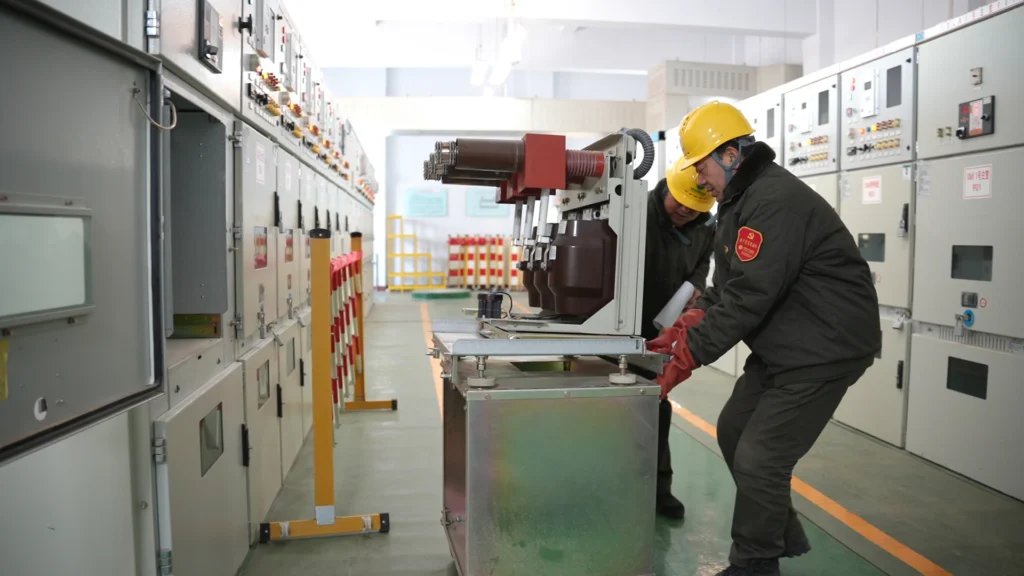
- Monthly: Clean dust, tighten terminals, check cabinet sealing.
- Yearly: Inspect circuit insulation, complete protection trip test.
- Keep all setting files properly. Do not change parameters randomly.
- Check lightning protection and earthing system every storm season.
- Prepare spare modules: power supply, communication and relay outputs.
Conclusion
A stable 22kV Power Protection Relays system depends on correct design, proper selection and regular maintenance.
Overseas users face pain points of standard difference, harsh environment and high cost. Qualified & authorized protection relay suppliers from China deliver fast delivery, reliable products, competitive prices and full services to solve these problems well.
We offer the best protection relay brands for accurate fault detection. If you need design schemes, parameter settings, product quotations or project cases, feel free to contact our professional relay engineers.
You can also leave your questions below. We will reply as soon as possible.
FAQ
Q1: Does a relay protect a circuit?
A: Yes. Power protection relays detect electrical faults and trip breakers to safeguard circuits.
Q2: What happens when a relay goes bad?
A: It may fail to trip on faults or trigger false trips, endangering the whole power system.
Q3: Can Chinese relays work for ANSI standard projects?
A: Yes. Most mainstream Chinese relays support IEC and ANSI switch freely.
Q4: How to test a protection relay?
A: Use dedicated test equipment to simulate faults and verify its response and accuracy.
Q5: What are the functions of protective relays?
A: They detect faults, isolate defective parts and prevent system damage.
Q6:Is it necessary to upgrade protection relay firmware?
No upgrade is required if the relay works well and satisfies existing usage. Contact the supplier for function expansion. It is better to retain the current version unnecessarily.
Q7:How do protection relays work?
Protection relays continuously monitor electrical parameters like current, voltage and frequency. When faults such as short circuits, overloads or abnormal voltage occur, they detect the deviation from normal values and quickly send signals to trip circuit breakers, isolating faulty equipment to protect the whole power system.
Q8:What is 50 and 51 protection?
50 = Instantaneous overcurrent: trips immediately for severe short circuits.
51 = Time-delay overcurrent: trips with inverse time delay for overloads/fauls, enabling coordination.
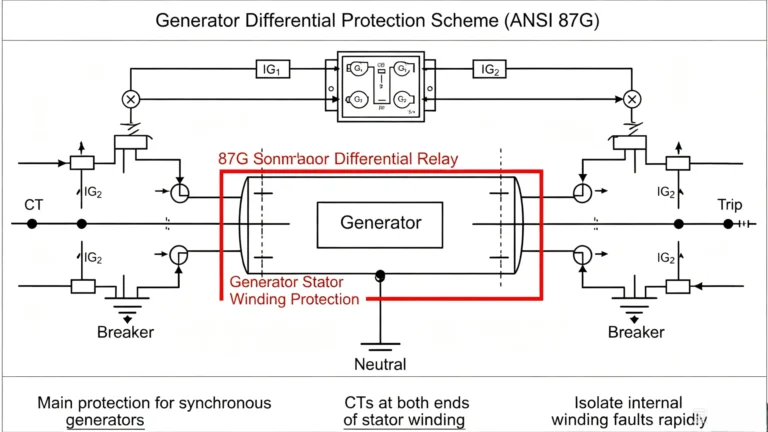
About Author

Hello, I'm Leno Zhang. I have 15 years of experience in the power relay protection industry with extensive pre-sales and after-sales project experience. Our company specializes in various complete sets of relay protection and automation equipment. I can assist customers in solving all practical on-site project challenges and provide optimal integrated solutions.
Tell Us Your Requirement
High Quality
Stable performance, reliable design, ensuring safe operation for power system protection and grid stability.
Fast Delivery
Timely delivery to support your urgent orders and project schedules efficiently and professionally at any time.
Best Warranty
Professional Warranty: Reliable after-sales support for stable relay protection and long-term customer satisfaction.