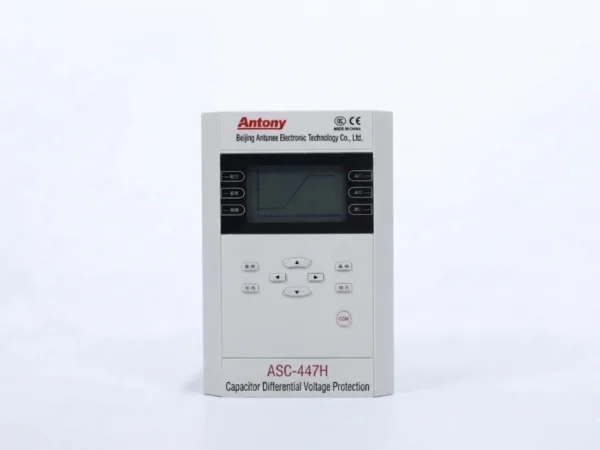
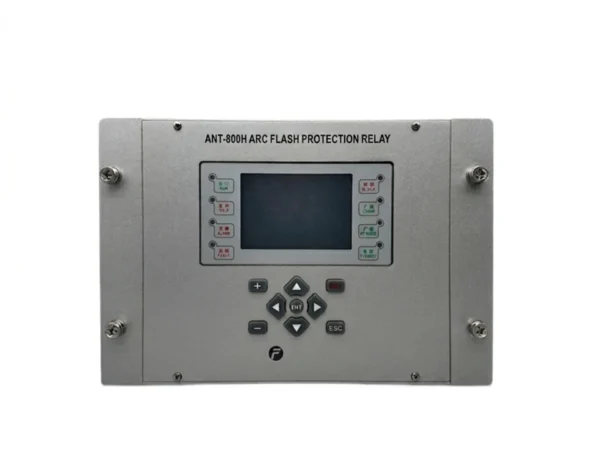
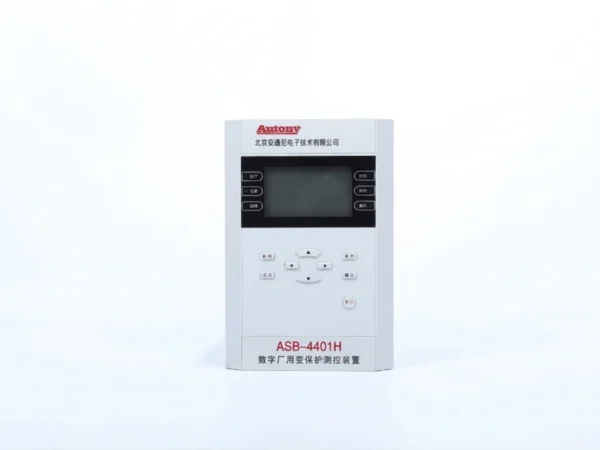
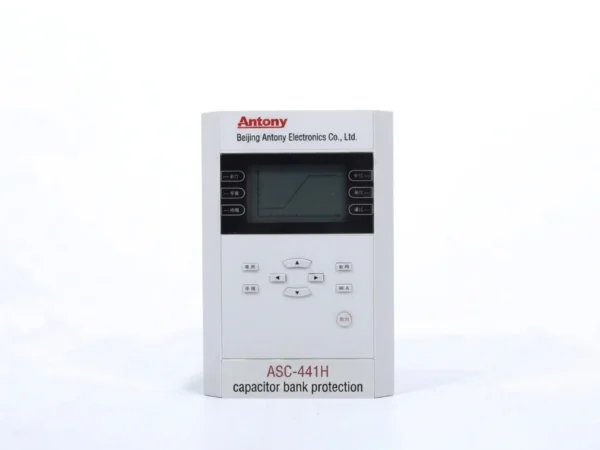
Primary Protection
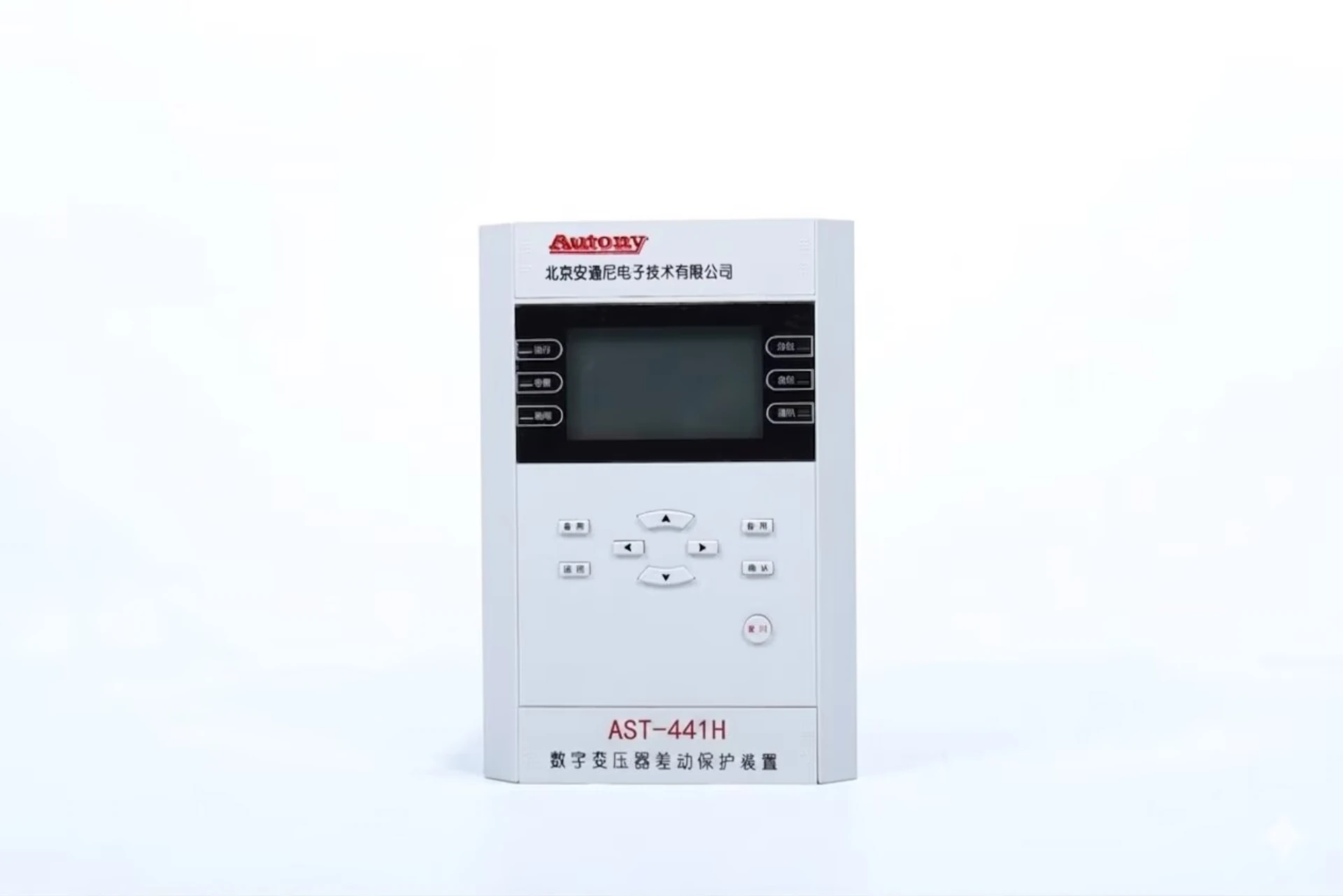
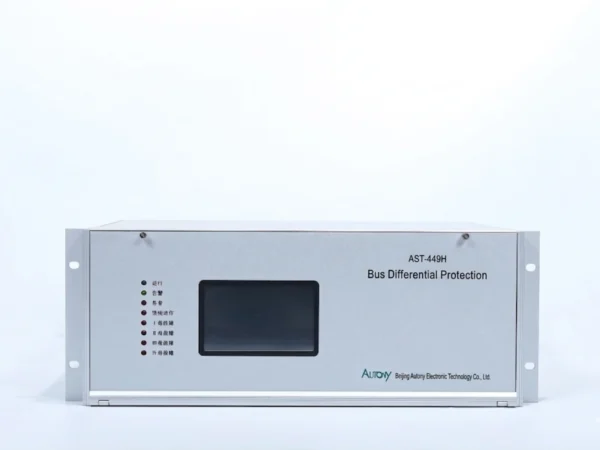
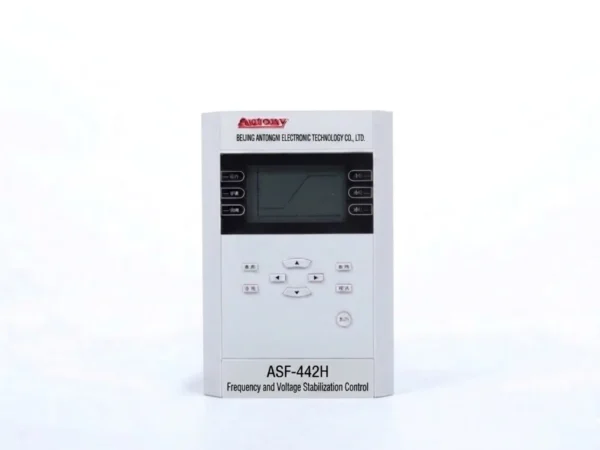
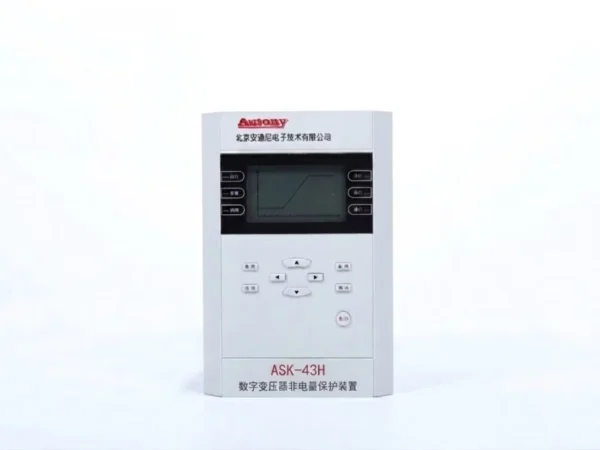
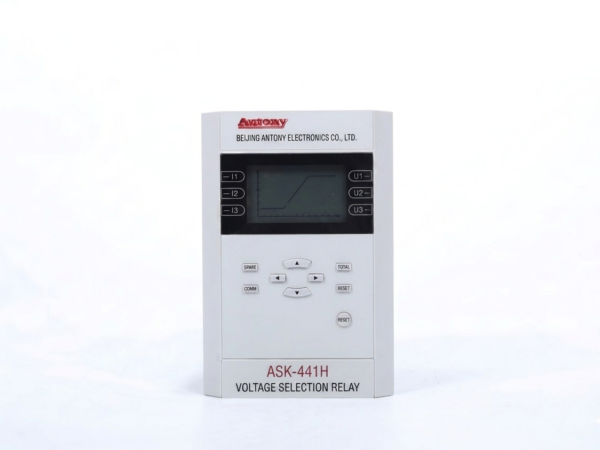
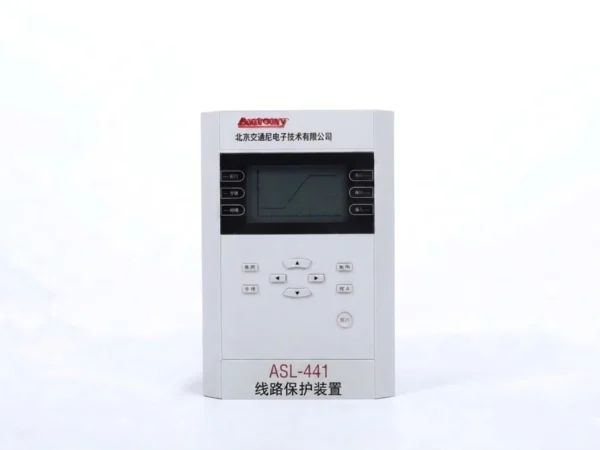
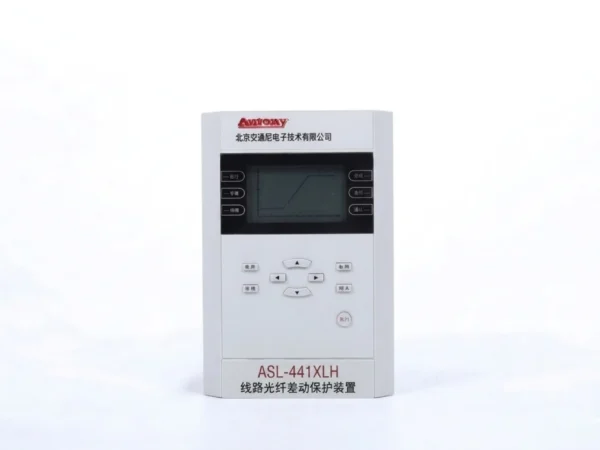
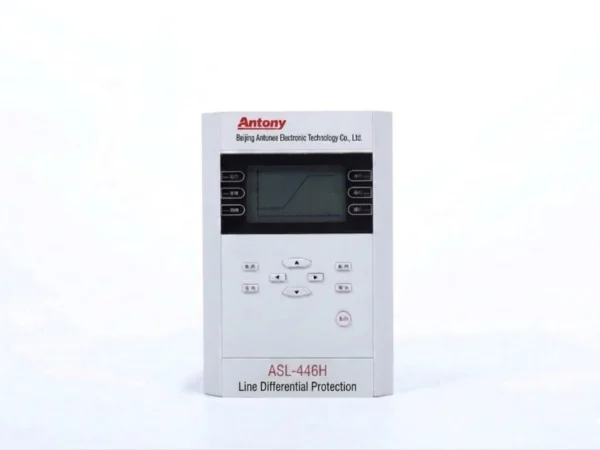
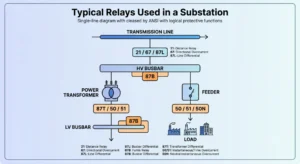
Primary protection is the first line of defense that operates when a fault occurs, undertaking the core task of rapid fault clearance. It requires absolute speed and selectivity. For example, transformer primary protection typically employs differential protection (87T), which can trip within milliseconds in the event of an internal short circuit.
Backup Protection
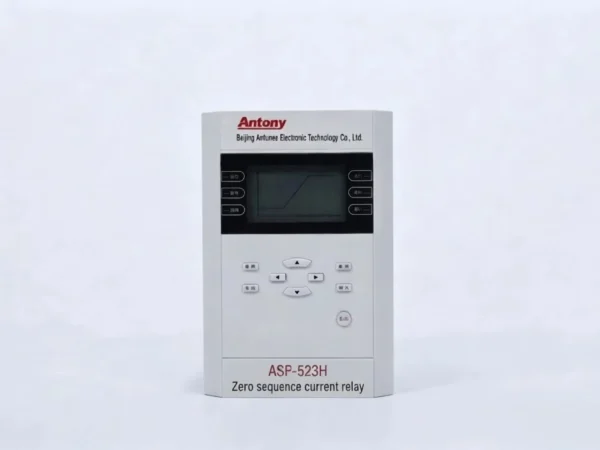
Backup protection provides remote or local support when the primary protection or circuit breaker fails to operate, preventing fault escalation. A typical example is feeder overcurrent protection (50/51), whose time delay is coordinated with the primary protection through relay coordination using stepped time intervals, ensuring orderly operation when the primary protection fails.
Integrated Protection System
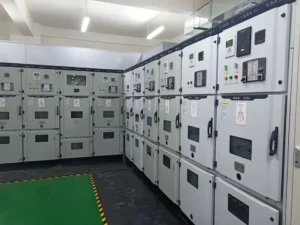
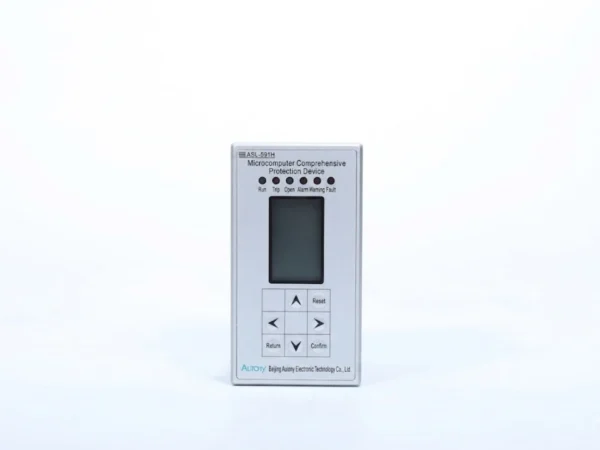
In a complete substation protection system, primary and backup protections complement each other through setting coordination and timing coordination, ensuring both rapid fault clearing under priority conditions and fallback safeguards for abnormal operating conditions. The collaborative configuration of primary protection relays and backup protection relays forms the cornerstone of protection selectivity, sensitivity, and reliability, and is also the core focus of setting calculations and coordination verification.