

-
Leon Zhang sales consultant
-
Email: zxl635973785@gmail.com
-
Phone/WhatsApp: +86 13655813266
Hydropower Plant Upgrade Solution 2026 for Vietnam
Hydropower plant upgrade solutions replace the protection, excitation, synchronising and control layers of a station that is already generating, without rebuilding the dam, the powerhouse or the waterway. The civil works stay. The relay panel, the excitation cubicle and the signal panel are what come out.
A new build is a design problem. An upgrade is a measurement problem: you start from what the existing relays actually did wrong, and you size the replacement against the fault levels and CT data you can still verify on site.
At a Glance: Hydropower Plant Upgrade Solution Scope
- 87G generator differential: the main protection that replaced the legacy relays causing nuisance trips.
- Generator backup element: voltage-restrained overcurrent (51V) plus negative-sequence (46) and stator overload (49).
- 64R rotor earth fault: one rotor earth fault is silent; the second one is a trip.
- Synchronising panel: four points on a two-unit station, two of them redundant, manual and automatic.
- Excitation: thyristor (SCR) static rectifier running AVR, FCR or constant reactive power.
- SCADA background: the original central signal panel comes out, alarm and event records move to one screen.
- Switchgear relays: digital motor, line and distribution transformer protection on the HV cubicles.
- Scope of supply: setting calculations, installation guidance and station-wide joint commissioning.
The work is checked against IEC 60255-1:2022 for the relays themselves, IEC 60255-187-1:2021 for the 87G differential function, IEC 61850-8-1 and IEC 60870-5-104 for the data paths, and ANSI/IEEE C37.2-2022 for the device numbers used in the schedule. On Vietnamese projects, GB/T 14285-2023 and the local EVN connection requirements sit on top of that list.
Every Vietnam hydropower upgrade starts with the same three questions: what the existing relays did wrong, what the outage window allows, and what the utility will accept at connection. The rest of this page records what was actually replaced on one station, in the order a retrofit gets decided: the failure that forced the work, the scope per panel, the standards the equipment was checked against, and the questions owners ask before signing.
Project Background
Our Hydropower Plant Upgrade Solution targets Vietnam, one of Southeast Asia’s fastest-growing hydropower markets. Boasting over 1,500 small and medium hydropower stations, the country urgently needs high-quality, reliable protective relay solutions to secure safe operation of generators, transformers and transmission lines.
Our company has successfully delivered generator differential protection relays, transformer protection relays, feeder protection relays, and complete substation automation systems to multiple hydropower stations in Vietnam. Each project fully demonstrates our technical depth, product reliability, and commitment to customer success.
Case Study:
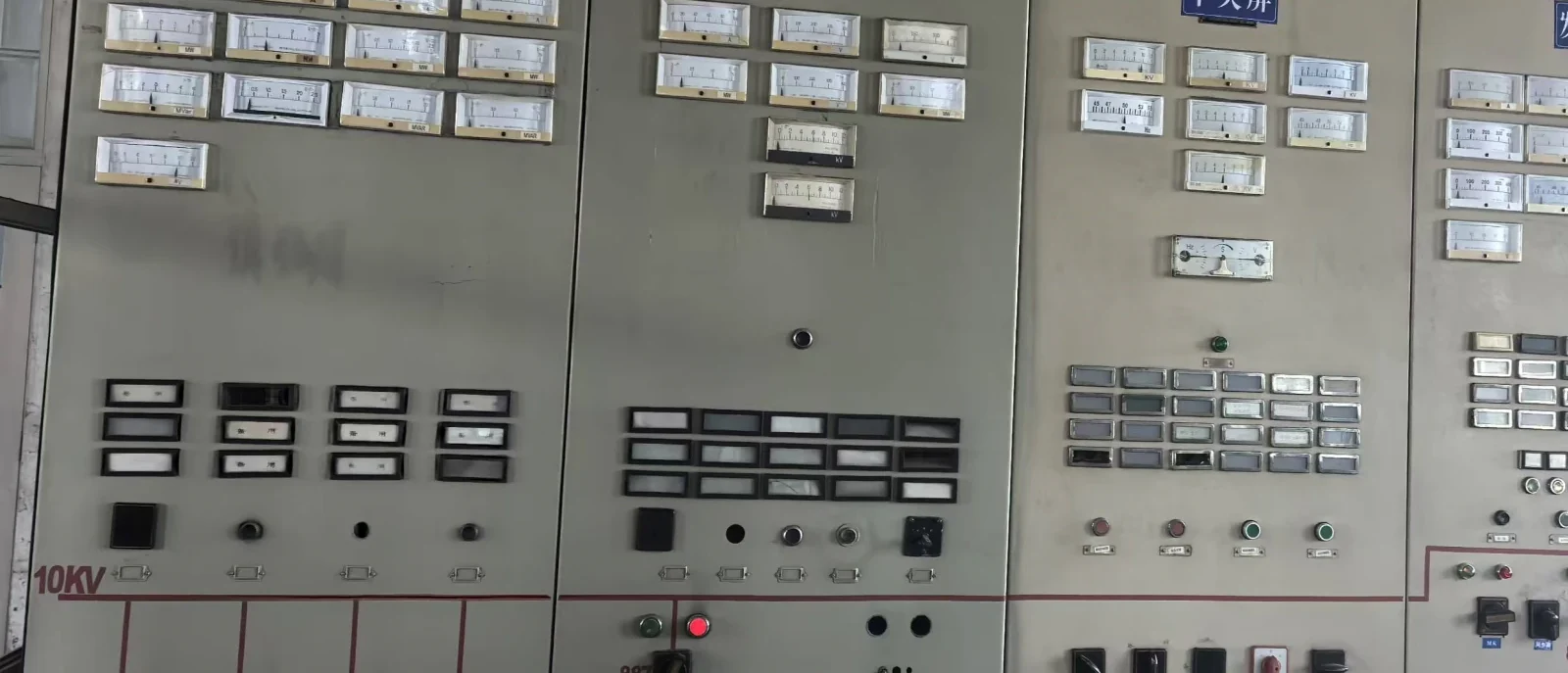
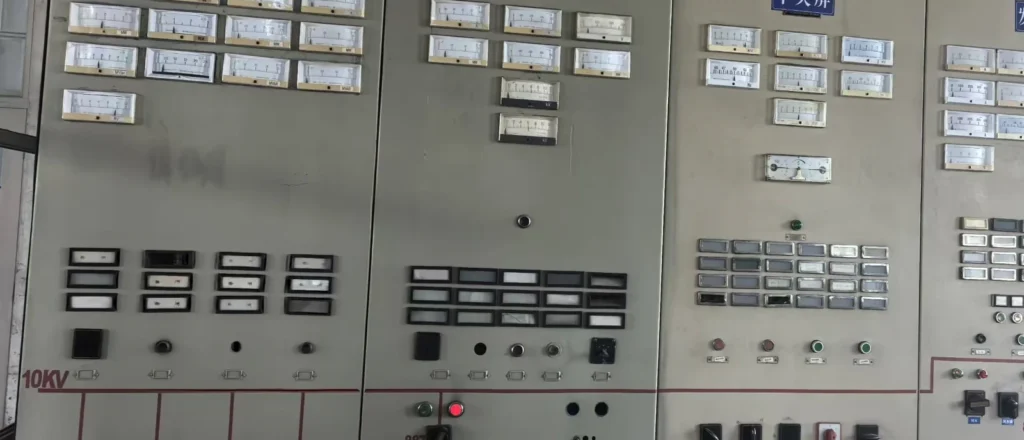
The original generator protection relays of a 2×10 MW hydropower station in Central Vietnam experienced frequent nuisance tripping. Due to their age, the legacy relays were no longer functional. The operating unit urgently required a replacement with protection relays featuring superior performance, better harmonic suppression, and faster fault-clearing times.
Our Solution
After a detailed on-site evaluation, the hydropower plant upgrade solution was scoped as one integrated package, built from five parts:
Generator Protection Panel
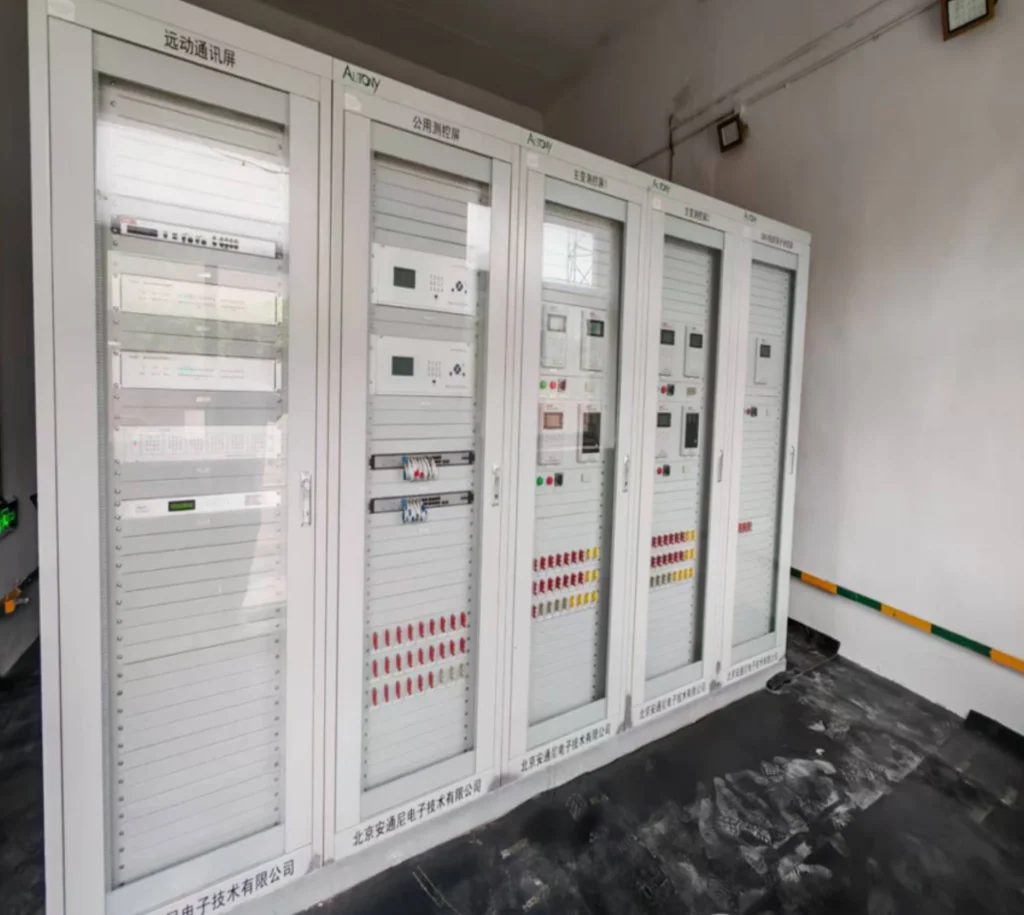
- The assembly includes generator differential protection devices,generator backup protection devices, generator rotor ground-fault protection devices, and generator measurement and control units.
- The system is installed and utilized as a complete panel. In relay terms that gives the unit an 87G differential element for internal faults, a voltage-restrained overcurrent element (51V) and negative-sequence element (46) for anything the differential does not see, a 49 thermal element for stator overload, and 64R for the rotor circuit.
- The LCD interfaces of the protection devices are displayed in English.
Generator Synchronization Panel
- This project has two generator units, so a synchronization panel was configured for four-point synchronization, with two points serving as redundant backups.
- The panel supports both manual and automatic synchronization modes to ensure stable and reliable on-site operation.
Central Signal Panel & Monitoring
- The original central signal panel was removed and replaced with an Electric Power Background Monitoring System.
- Through the computer-based SCADA (Supervisory Control and Data Acquisition) system, the generators are monitored, achieving intelligent operation and maintenance management.
Excitation System
- The legacy excitation system was outdated and non-functional. In accordance with technical requirements, a new thyristor (SCR) excitation system was selected.
- This system meets all technical performance indicators and regulations for static rectifier excitation systems for large and medium-sized hydro-generators.
- Operating modes include AVR, FCR and constant reactive power regulation:
- Automatic Voltage Regulation (AVR)
- Field Current Regulation (FCR)
- Constant Reactive Power Regulation
- Mode switching is performed via pre-set or manual selection.
Digital Intelligent Protection
- Relays on the high-voltage switchgear were replaced with modern digital intelligent protection products.
- This includes motor protection devices, line protection devices, and distribution transformer protection devices.
- Data communication with the background system was established, achieving true information automation.
Our team provided: - A full set of relay setting calculations.
- On-site installation guidance.
- Station-wide joint commissioning and testing for relay protection systems.
What the Upgrade Replaced: Before and After
A hydropower relay protection retrofit is scoped from the failure that started it, not from a catalogue. On this station the trigger was nuisance tripping on the generator relays; every line below follows from that one symptom or from something the outage window made worth doing at the same time.
| Item | Before the upgrade | After the upgrade | Why it changed |
|---|---|---|---|
| Generator main protection | Legacy relays, frequent nuisance tripping, no longer serviceable | 87G differential plus a backup element, English LCD | Nuisance trips were taking a healthy unit out of service |
| Rotor earth fault | Not monitored | 64R rotor ground-fault element | A first rotor earth fault gives no indication until a second one appears |
| Synchronising | Old scheme across two units | Four-point synchronising panel, two points redundant, manual and automatic | One synchronising path stays available while the other is maintained |
| Excitation | Legacy system outdated and non-functional | Thyristor (SCR) static rectifier excitation, AVR / FCR / constant reactive power | AVR holds terminal voltage; FCR is the fallback when the VT signal is lost |
| Central signalling | Original central signal panel | Removed, replaced by a SCADA background monitoring system | Alarms and event records belong in one place, not on a wall of lamps |
| HV switchgear relays | Ageing electromechanical and early static devices | Digital motor, line and distribution transformer protection | Settings, events and self-diagnosis in one device per feeder |
| Data path | No link to a background system | Data communication to the SCADA background | Remote operation and maintenance needs data, not local annunciation |
| Engineering scope | Equipment supply | Setting calculations, installation guidance, station-wide joint commissioning | A relay delivered without a setting sheet is not a protection scheme |
Two of those eight rows are not equipment at all. The last one is the row that decides whether the other seven work.
Technical Standards Followed
All protective relays supplied for our Vietnam hydropower projects comply with the following standards:
| Source | What it covers | Type | Edition |
|---|---|---|---|
| IEC 60255-1 | General requirements for measuring relays and protection equipment | International standard | 2022 |
| IEC 60255-187-1 | Functional requirements for differential protection, the 87G element | International standard | 2021 |
| IEC 61850-8-1 | Station-level communication mapping for the SCADA link | International standard | 2011+AMD1:2020 |
| IEC 60870-5-104 | Telecontrol over TCP/IP, the usual retrofit path for older stations | International standard | 2006+AMD1:2016 |
| ANSI/IEEE C37.2 | Device function numbers used in the relay schedule | International standard | 2022 |
| GB/T 14285 | Technical code for relaying protection and automatic equipment, widely accepted on Vietnam projects | National standard | 2023 |
| Vietnam EVN local technical requirements | Utility-specific grid connection and protection requirements | Utility requirement | As specified per project |
Datasheets still in circulation cite IEC 60255-1:2009 and GB/T 14285-2006. Both have been superseded, and a compliance claim built on either one will not survive a utility review.
Contact Information
Developing or upgrading a hydropower project in Vietnam or the surrounding region? Send the drawings and the relay list, and the engineering team comes back with:
- Product technical manuals and application case studies.
- Protection setting calculation services.
- Customized protection solutions for your generator sets.
- On-site or remote commissioning support.
What the Upgrade Covers
Catering to the upgrading and renovation needs of small and medium-sized hydropower stations, focusing on core links of relay protection and automatic control.
Ensuring the safe and stable operation of equipment, covering full-scenario protection for generators, transformers and transmission lines.
Adapting to the development status of overseas markets such as Vietnam, providing customized and highly reliable integrated solutions.
Supporting later operation, maintenance and intelligent upgrading to meet the long-term grid connection and safe operation requirements of the hydropower industry.
We have a professional team of engineers. Feel free to contact us for any potential projects.
FAQ
What is the difference between primary and secondary equipment of hydropower plants?
Primary equipment refers to main power equipment that directly participates in power generation, transmission and distribution, such as generators, main transformers and high-voltage switches. The relay, control and monitoring equipment that protects it is covered in the hydropower relay protection guide, Secondary equipment is auxiliary monitoring and protection equipment, including automation measurement & control devices, relay protection devices, background monitoring systems and secondary circuits, which are used to monitor, control and protect primary equipment without bearing main power current.
What are the common relay protection configurations for hydropower units?
Common configurations include generator differential protection, stator/rotor grounding protection, overcurrent/overload protection, negative sequence current protection, overspeed protection, and main transformer differential protection, gas protection and zero-sequence protection, covering various electrical and mechanical faults of units and transformers.
What is the Hydropower Plant Upgrade Solution designed for?
This solution is tailored for aging, low-efficiency and technically backward hydropower plants. It covers mechanical refurbishment, electrical renovation, digital intelligent transformation and safety standard upgrading. It improves power generation efficiency and operational safety, extends plant service life, meets modern grid and environmental compliance requirements, and avoids the high investment of full plant reconstruction.
What types of hydropower plants are suitable for this upgrade solution?
It applies to all conventional run-of-river and reservoir hydropower plants of small, medium and large scales, especially units with capacity attenuation, outdated control systems, high failure rates and non-compliant safety or environmental facilities. It supports flexible partial component upgrade or full-system modernization based on on-site conditions.
What are the core benefits of adopting this upgrade solution versus full plant replacement?
A full rebuild replaces everything. This solution keeps the civil structures and the main mechanical assets that are still sound, cutting total investment by a typical 30%–50% on the scopes we have delivered. The cycle is shorter, the outage is smaller, generation efficiency rises by 5%–20%, and the control and safety systems come up to current standards. The trade-off is that the parts you keep still age on their own schedule.
Does the upgrade require replacing the entire turbine and generator unit?
No. The turbine and the generator stay in place unless inspection shows they are beyond repair. The upgrade replaces what is worn: runners and guide vanes on the hydraulic side, insulation systems on the electrical side. Keeping the shaft line and the foundation is what keeps the outage short and the cost down.
How does the solution improve hydropower generation efficiency?
Efficiency comes from four places: hydraulic optimisation of the runner and the waterway, anti-corrosion treatment of the pipeline, a governor and excitation system that hold the unit at its best point, and replacing ageing parts that were losing output. Power output rises by 5%–10% normally and by up to 20% on severely ageing units. The larger number is not a promise; it follows from how far the unit had drifted.
What digital and intelligent upgrades are included in the solution?
The digital scope is matched with the digital intelligent protection system: intelligent sensing at the plant level, digital protection on every feeder, automatic control of the unit, and a data path to the SCADA background for remote operation and maintenance. The result is fault early warning, automatic operation and unattended management. Data without an operator in front of it is the part that changes how the station is run.
Will the upgrade construction cause long-term power outage of the plant?
No. Work is phased and staggered. On a multi-unit plant the units are renovated one at a time, so the station keeps generating throughout. On a single-unit plant the outage is scheduled into the low-load season. The cutover window for each unit is agreed before the first cubicle comes out, not after.
Is professional operator training provided after the upgrade?
Yes. Training covers system operation, fault handling, emergency response and routine maintenance, and it is delivered against the equipment actually installed rather than a generic manual. Complete O&M documentation goes with it. Handing over a panel the operators have never reset is the most common way an upgrade underperforms.
What is the service life extension effect after the upgrade?
Full system upgrades extend plant service life by 20–30 years where the civil works and the waterway are sound. Digital monitoring is what carries that number: it cuts the failure rate and the maintenance cost over the life of the asset, and it gives the owner the condition data that justifies the next round of work.
Conclusion
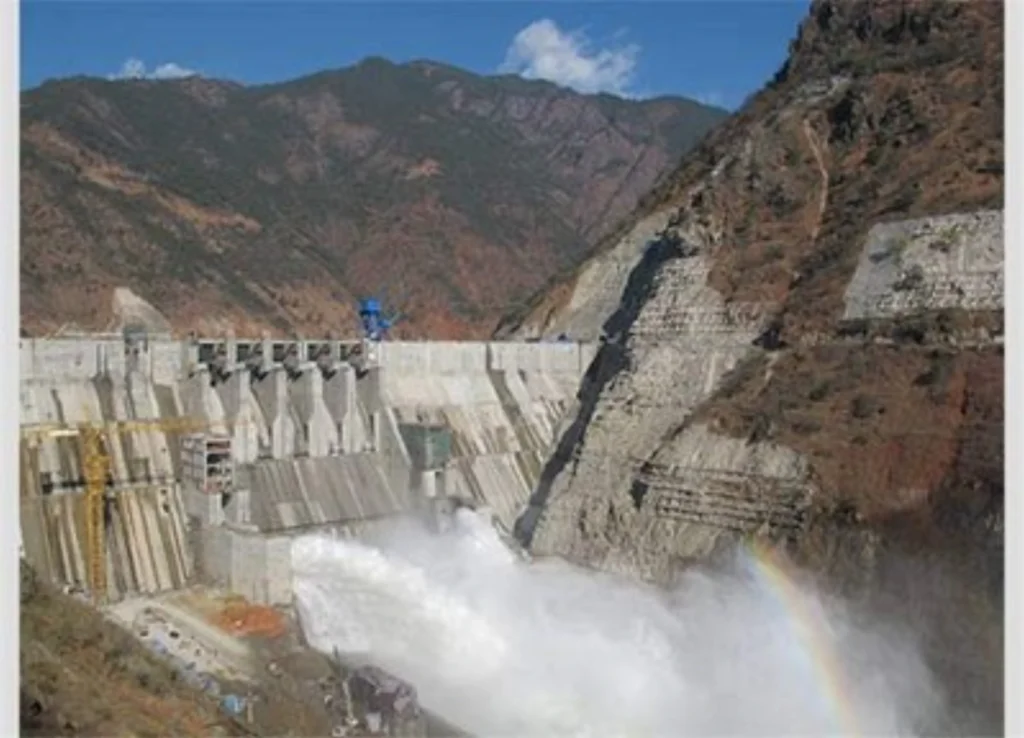
A hydropower plant upgrade solution is judged on one thing: whether the station still trips correctly five years after the cutover. That is decided by the setting sheet, the CT and VT data behind it, and the commissioning records that prove the two agree.
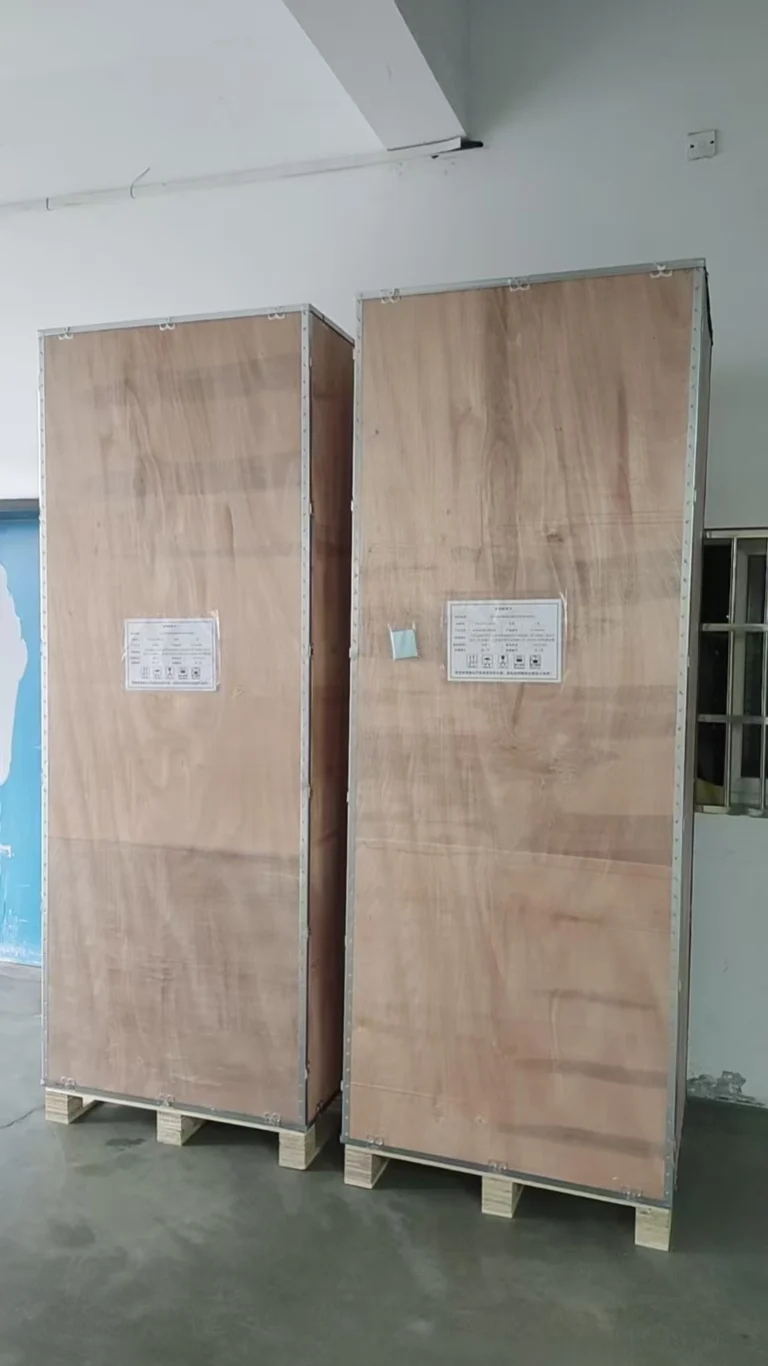
This protection cabinet upgrade case covers one 2×10 MW station. The scope changes with unit rating, with what the utility requires at connection, and with how much of the original secondary wiring can be re-used. Send the single-line diagram, the generator nameplate, the CT ratios and the existing relay list, and the scope comes back as a priced schedule rather than a catalogue.
Aligned with Vietnam’s national energy strategy, the 2026 hydropower renovation programme enables safe, intelligent and low-carbon operation of hydropower assets.
Related Reading
The pages below carry the detail behind each part of this hydropower plant upgrade solution, from the relay functions to the cabinets they arrive in:
- Hydropower relay protection and automation solutions: the family hub, covering the ANSI functions and the LCU interface.
- Generator and transformer protection cabinets: cabinet-level scope for the panel work described above.
- 87G generator differential protection relay: the device behind the main protection row.
- Generator backup protection relay: the 51V, 46 and 49 elements that sit behind the differential.
- Digital protection on an 11 kV distribution feeder: what changed on the switchgear cubicles.
- Multifunction feeder protection relay: the device class used on the HV switchgear.
- Transmission line protection relays: the outgoing feeder side of the station.
- Power SCADA monitoring cabinet: the background system that replaced the central signal panel.
- IEC 61850 transformer protection relay: the communication option on the transformer side.
- Relay protection training and testing: what the joint commissioning and operator training cover.
Written by Leon Zhang, Protection Application Engineer. Technical review by Li Ming, Electrical Engineer. Case published April 2026, last reviewed October 2026.
About Author

Hello, I'm Leno Zhang. I have 15 years of experience in the power relay protection industry with extensive pre-sales and after-sales project experience. Our company specializes in various complete sets of relay protection and automation equipment. I can assist customers in solving all practical on-site project challenges and provide optimal integrated solutions.
Tell Us Your Requirement
High Quality
Stable performance, reliable design, ensuring safe operation for power system protection and grid stability.
Fast Delivery
Timely delivery to support your urgent orders and project schedules efficiently and professionally at any time.
Best Warranty
Professional Warranty: Reliable after-sales support for stable relay protection and long-term customer satisfaction.