

-
Leon Zhang sales consultant
-
Email: zxl635973785@gmail.com
-
Phone/WhatsApp: +86 13655813266

Power System Protective Relay Maintenance Checklist, Testing Standards & Service Guidelines
Protective relays are the core safety devices of substations, industrial power systems, and renewable energy power plants. They isolate short-circuit faults, overload conditions, and abnormal grid deviations to protect transformers, generators, transmission lines, and switchgear equipment.
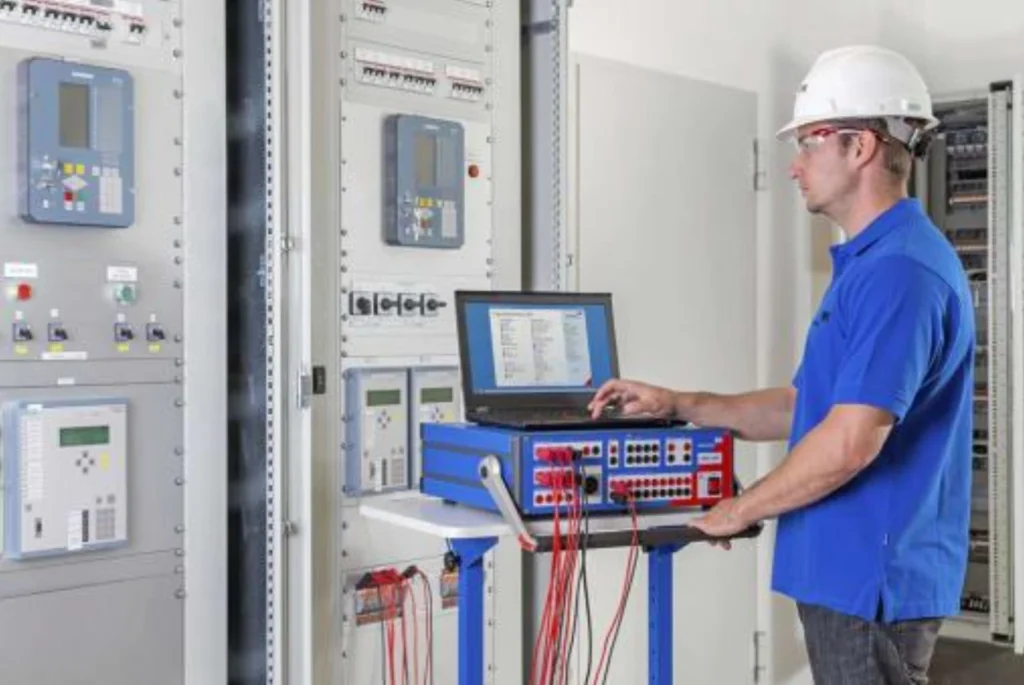
For EPC contractors, power utility operators, and on-site commissioning engineers, neglected maintenance of protective relays in power systems directly leads to two high-risk issues: failure to trip during actual faults and nuisance tripping under normal operating conditions. Both problems cause unplanned outage losses, equipment burnout, and grid instability, which severely affect project delivery quality and long-term operational safety.
Standardized protective relay maintenance includes visual inspection, parameter setting verification, secondary injection test, trip circuit checking, periodic equipment status evaluation, along with systematic relay testing in power system protection.
This article focuses on protective relay maintenance and application guide, offering practical project-verified maintenance workflows, typical fault examples, regulatory standards and equipment selection tips to assist worldwide electrical teams in achieving stable relay operation management.
Inspection Maintenance and Testing of Protective relays
Protective relay maintenance is a systematic preventive and corrective maintenance workflow defined by IEC and IEEE power standards. It includes routine inspection, parameter verification, functional testing, calibration, and fault troubleshooting for digital and electromechanical protective relays, ensuring all protection logic matches design settings and responds accurately to power system faults .
Unlike general equipment cleaning, relay maintenance focuses on electrical performance consistency and logic reliability. It mainly consists of three core modules:
- Visual & Physical Inspection: Check panel environment, wiring terminals, auxiliary power supply, communication ports, and alarm status to eliminate hidden dangers of poor contact and aging wiring.
- Parameter & Setting Verification: Compare on-site relay configurations with official setting files and protection coordination reports to avoid setting deviation caused by engineering modifications or equipment replacement.
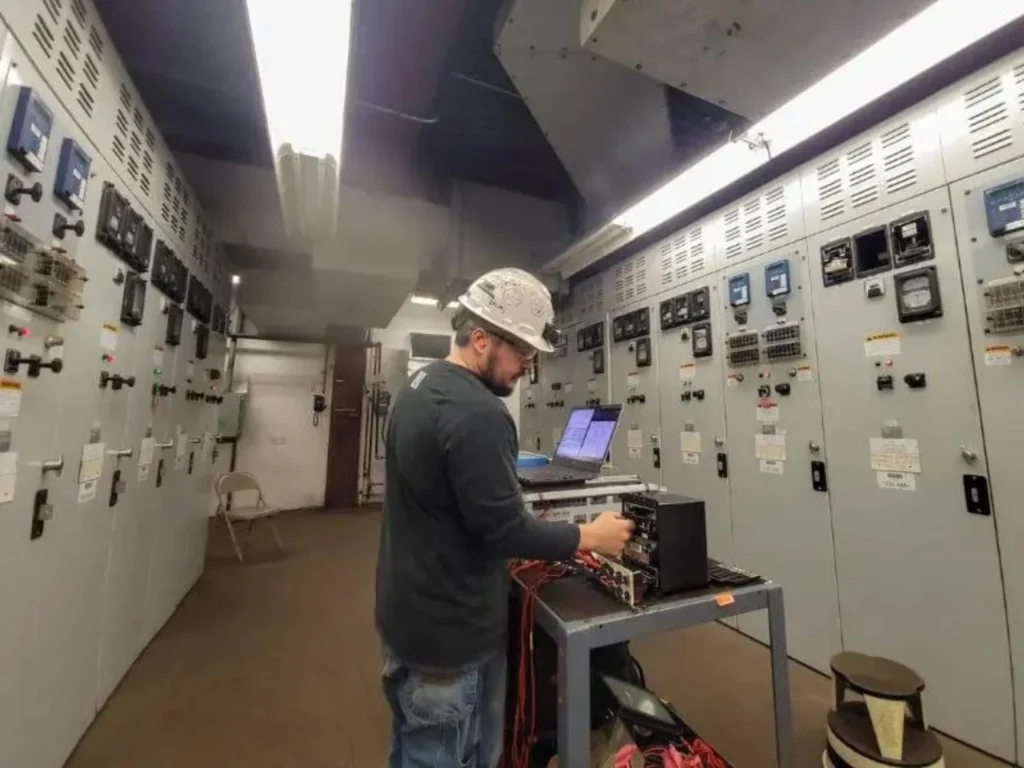
- Protective relay maintenance testing: Complete secondary injection tests, trip time tests, logic verification, and communication debugging to confirm pickup values, time delay curves, and output contacts meet design standards.
Why Is Protective Relay Maintenance Critical for EPC & Utility Projects?
Avoid Catastrophic Relay Maloperation & Refusal Operation
Most substation safety accidents stem from unmaintained protective relays. Long-term operation leads to CT/PT circuit aging, parameter drift, and communication synchronization errors, resulting in two typical faults:
First, refusal tripping: The relay fails to start protection during equipment short circuits, causing transformer burnout, cable breakdown, or generator damage. Second, mis-tripping: Unreasonable settings or circuit abnormalities trigger unnecessary breaker tripping, interrupting power supply and causing economic losses for industrial and grid projects.
Real Project Case: In a 33kV distribution substation EPC project in Southeast Asia, the overcurrent relay was not maintained for 4 years. CT secondary circuit micro-open circuit caused protection delay during a line fault, resulting in 2 hours of regional power outage and equipment insulation damage.
Improve Substation Operation Reliability & Reduce Downtime
Power system assets (transformers, lines, generators) have strict service life and stability requirements. Regular relay maintenance eliminates potential hidden faults in advance, improves the overall availability of power equipment, and reduces unplanned maintenance and outage frequency. For EPC contractors, standardized maintenance records also improve project acceptance pass rate and post-operation evaluation scores.
Meet International IEC & IEEE Compliance Requirements
Global power utilities and grid operators strictly require relay maintenance to comply with international unified standards. Core applicable specifications include IEC 60255 series (general requirements for protective relays) and IEEE C37.90 (relay transient and surge immunity standards) . Qualified maintenance records and test reports are mandatory documents for project FAT, SAT and final acceptance.
Protective Relay Maintenance & Re-commissioning
This standardized workflow is summarized from overseas substation EPC commissioning and long-term utility operation practices, covering the full process from pre-maintenance preparation to final report filing.
Maintenance Process Flowchart: Preparation & Document Review → Visual On-site Inspection → Relay Setting Verification → Secondary Injection Testing → Trip Circuit & Breaker Test → Communication Debugging → Maintenance Report Filing
Step 1: Review Project Documents & Historical Data
Before on-site maintenance, sort out all valid technical documents to ensure test accuracy and avoid setting confusion:
- Power system single-line diagram and protection coordination study report
- Official relay setting files and parameter list
- Previous maintenance test reports and fault records
- Relay configuration software and firmware version information
Focus on checking whether the current relay parameters are consistent with the final approved design values, and record all modified items in historical engineering changes.
Step 2: On-Site Visual Inspection of Relay Panels
Physical inspection is the most basic and efficient link to eliminate hidden faults. The core inspection items are standardized in the table below:
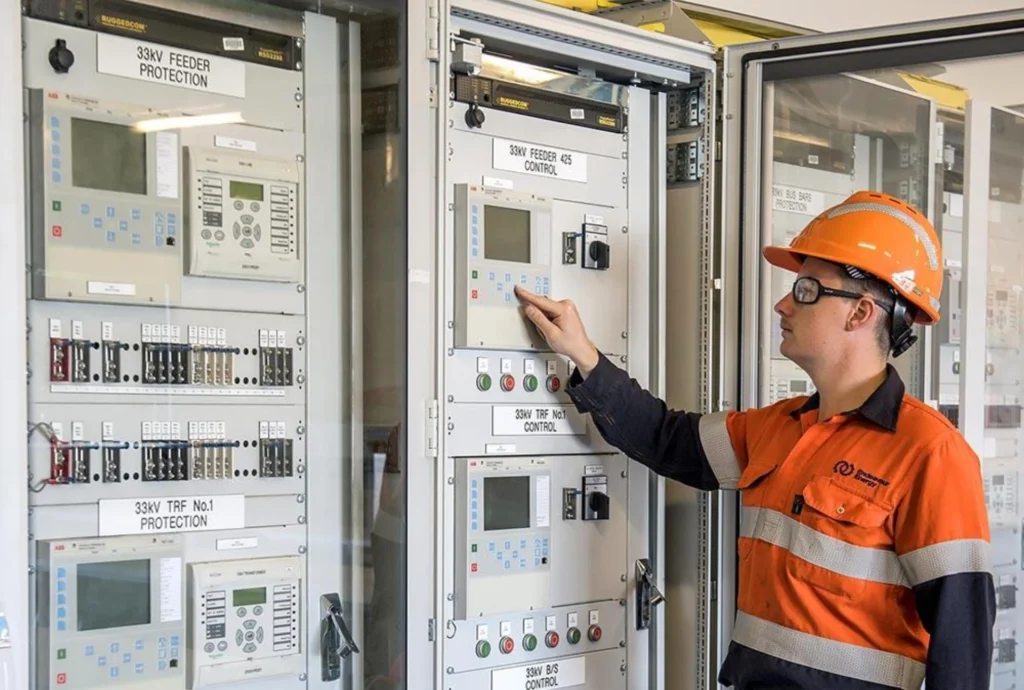
| Inspection Item | Key Check Points | Qualified Standard |
|---|---|---|
| Relay Display & Alarm | Screen status, fault alarm records, error codes | No persistent alarm or hardware error |
| Terminal Wiring | Terminal tightness, wire aging, corrosion, loose connection | Firm connection, no oxidation or virtual connection |
| DC Auxiliary Power | Voltage stability, AC ripple value | 216–228V DC, ripple below 5% |
| Communication Interface | Network port, optical fiber connection, signal synchronization | Normal online, no packet loss |
| Panel Environment | Dust, humidity, temperature, foreign matter | Dry and clean, no condensation or dust accumulation |
Step 3: Verify All Protection Relay Settings
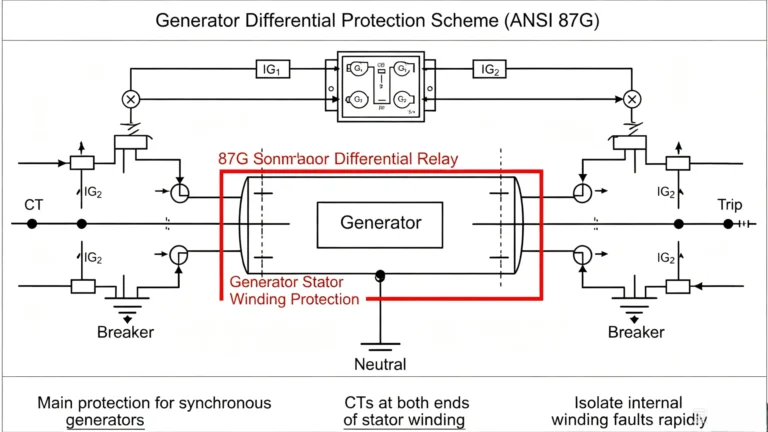
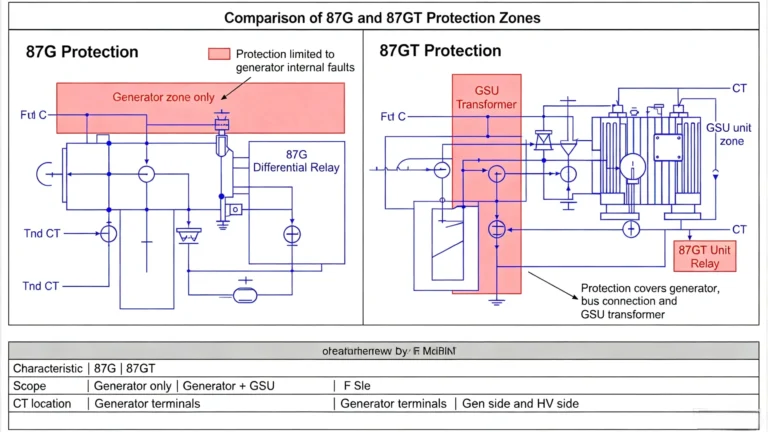
Setting deviation is the top cause of relay misoperation. On-site maintenance needs to verify all core protection parameters one by one, including overcurrent, earth fault, transformer differential, distance protection, and generator protection settings.
Key verification contents include pickup current, action time delay, protection characteristic curves, and interlocking logic. Unauthorized modification of protection settings is strictly prohibited, which will cause protection coordination disorder, protection blind zones, and large-scale mis-tripping risks.
Step 4: Secondary Injection Functional Testing (Core Maintenance Step)
Secondary injection testing is the most critical technical link in relay maintenance, and the only effective means to verify the true operating performance of relays under fault conditions . Engineers use professional relay test sets to simulate various power system faults and verify relay action accuracy.
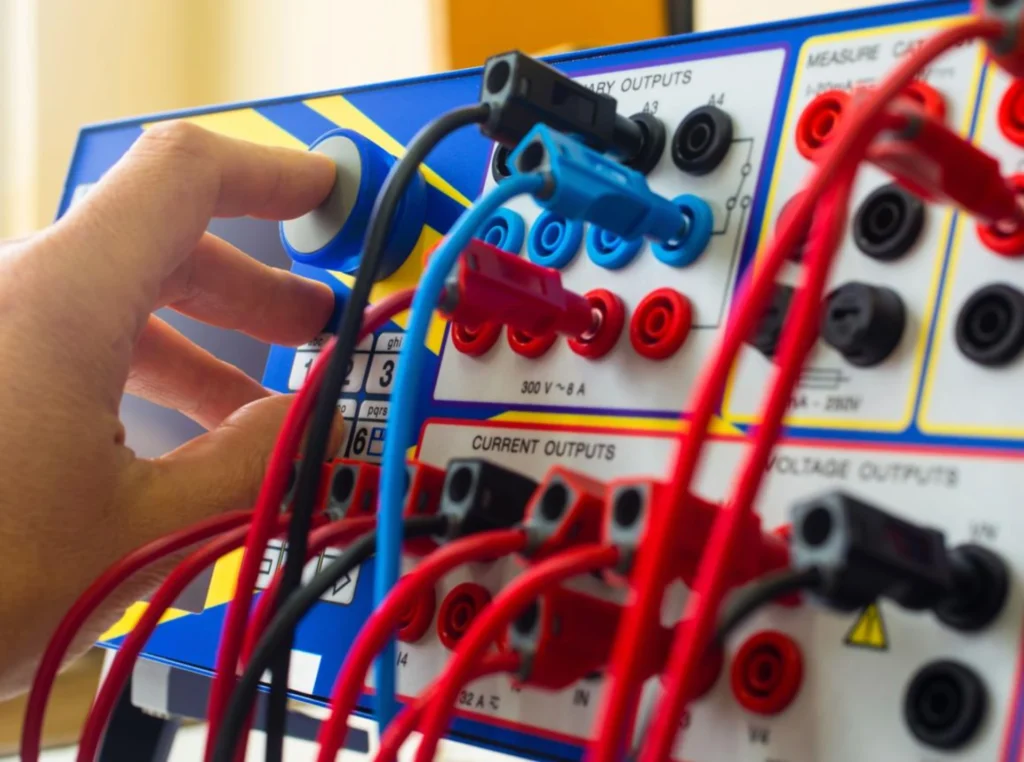
Main test contents:
- Three-phase current and voltage analog input test
- Protection pickup value calibration and error verification
- Fault action time and return time test
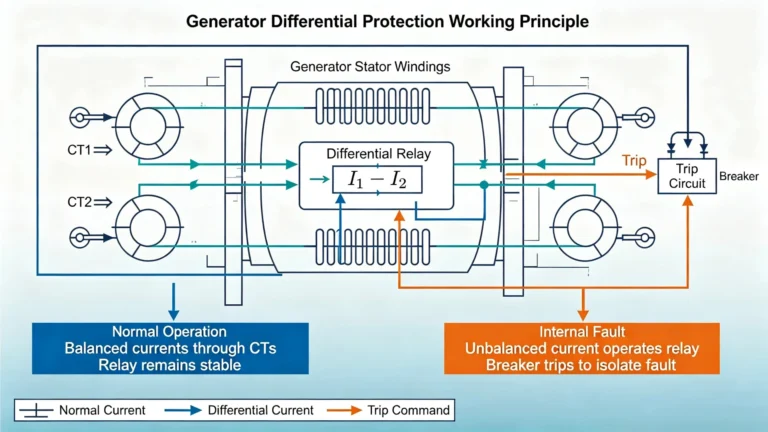
- Differential protection braking characteristic test
- Overload and short-circuit fault simulation test
Professional test equipment (three-phase/six-phase relay testers) can realize full-automatic testing, effectively avoiding manual test errors and ensuring test data meets IEC 60255 accuracy standards.
Step 5: Trip Circuit & Circuit Breaker Interface Test
Even if the relay protection logic is normal, faulty trip circuits will still lead to protection failure. This step focuses on verifying the complete link from relay output to breaker action:
- Check the integrity of relay trip output contacts and closing contacts
- Verify trip coil circuit continuity and insulation performance
- Simulate fault action to test breaker switching performance
- Check lockout relay and interlocking protection logic
Step 6: Communication Debugging & Data Synchronization
For modern smart substations based on IEC 61850, relay communication faults are extremely common. Maintenance needs to verify MMS communication, GOOSE message transmission, and clock synchronization status to avoid protection logic confusion caused by message loss and time deviation.
Step 7: Sort Data & Submit Maintenance Report
After all tests are completed, organize test data, parameter comparison records, fault handling results, and on-site photos to form a complete maintenance report, which is archived as important data for subsequent project operation and acceptance.
Protective Relay Maintenance Interval: Standard Schedule for Different Scenarios
Maintenance frequency depends on voltage level, equipment importance, operating environment, and utility specifications. The industry-recommended standard maintenance cycle is as follows:
| Application Scenario | Recommended Maintenance Interval | Maintenance Focus |
|---|---|---|
| Transmission Substation (High Voltage) | 3–5 Years | Differential protection, distance protection, communication synchronization |
| Distribution Substation (Medium Voltage) | 3–5 Years | Overcurrent & earth fault protection, wiring inspection |
| Industrial Factory Power System | 1–3 Years | Frequent start-stop equipment protection, anti-interference inspection |
| Wind/Solar Renewable Power Plant | 1–3 Years | DER grid-connected protection, harmonic adaptability test |
Note: For high-temperature, humid, dusty and other harsh operating environments, the maintenance cycle needs to be shortened appropriately to delay equipment aging.
Common Faults Found in Relay Maintenance & Solutions
1. Inconsistent Relay Settings
Causes: On-site temporary parameter modification, relay replacement, incomplete document update, and inconsistent design and actual settings.
Solution: Recheck the protection coordination report, restore factory standard settings, and synchronize all version documents to ensure consistent parameters of the whole station.
2. CT/PT Secondary Circuit Abnormalities
Common Problems: CT polarity error, secondary open circuit, PT fuse burnout, and excessive secondary load.
Impact: Unbalanced current of differential protection increases, resulting in frequent misoperation of transformer protection and inaccurate fault judgment .
Solution: Use a CT analyzer to test ratio, polarity and secondary load, eliminate circuit hidden dangers, and re-calibrate protection balance parameters.
3. IEC 61850 Communication & Synchronization Faults
Manifestations: GOOSE message loss, abnormal equipment online status, and inconsistent system time.
Solution: Check optical fiber links, switch port configuration, and clock synchronization devices to ensure stable and real-time data transmission of smart substations.
4. Hardware Aging Failure
Manifestations: Relay screen failure, auxiliary power supply aging, contact oxidation and poor conduction.
Solution: Replace aging accessories in time, strengthen panel dustproof and moisture-proof maintenance, and eliminate hardware hidden dangers in advance.
Professional Testing Equipment for Protective Relay Maintenance
Accurate maintenance results depend on professional and compliant test equipment. Unqualified testers will lead to wrong test data and leave long-term safety hazards for power systems. Our professional relay test equipment fully complies with IEC and IEEE international standards, covering all scenarios of EPC commissioning and daily maintenance.
1. Universal Three-Phase/Six-Phase Relay Protection Test Set
Suitable for conventional substation relay maintenance, supporting overcurrent, earth fault, differential, distance and all conventional protection tests. It features full-automatic testing, one-key report generation, high test accuracy, and adapts to all brands of domestic and foreign protective relays.
2. Six-Phase Relay Test System for Smart Substations
Specially designed for high-voltage transmission substations and IEC 61850 smart stations, supporting GOOSE/SV message testing, complex differential protection logic verification, and multi-device joint debugging, meeting high-standard commissioning and maintenance requirements of large EPC projects.
3. CT Analyzer
Professional testing for CT ratio, polarity, secondary burden, excitation characteristic and error curve, solving various CT circuit faults in relay maintenance, and ensuring the accuracy of protection sampling data .
Relay Maintenance in EPC Project Full Lifecycle
In standardized EPC power projects, relay maintenance runs through the whole process from factory delivery to official operation:
Project Process: FAT Factory Acceptance Test → On-site Installation & Wiring → Relay Commissioning & Secondary Injection Test → SAT Site Acceptance Test → Formal Grid Connection → Regular Preventive Maintenance
EPC contractors need to complete full test records, setting reports, commissioning documents and as-built drawings during the construction stage, to provide complete data support for later operation and maintenance.
Industry Best Practices for Relay Maintenance
- Maintain Complete Document Versions: Regularly back up relay settings, firmware versions and test reports to avoid data loss caused by equipment replacement and system upgrade.
- Adopt Professional Standard Test Equipment: Avoid simple test tools leading to inaccurate test results and missed hidden faults.
- Strengthen Engineer Professional Training: Standardize relay software operation, test procedures and fault analysis capabilities to ensure consistent on-site construction standards.
- Implement Preventive Maintenance Mechanism: Change from passive fault maintenance to regular preventive maintenance to minimize power system operation risks.
Simplified On-site Training Contents for Protective Relay Commissioning
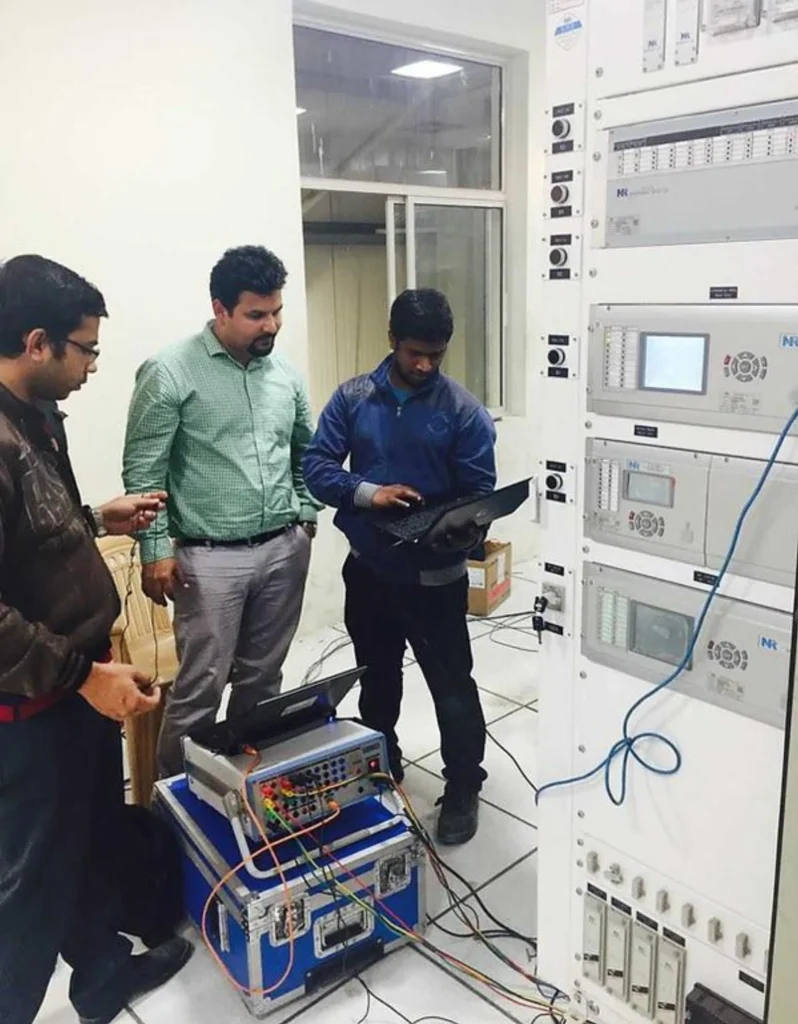
After commissioning and acceptance of the new project, the protective relay manufacturer shall provide professional training covering protective relay maintenance basic for on-site operation and maintenance personnel. The training mainly includes the following contents:
1.Basic introduction of power system relay protection, relay system composition, device structure, secondary circuit and communication configuration.
2. Basic HMI operation, including checking real-time data, protection settings, alarm records and fault event logs.
3. Explanation of protective relay working principles, protection functions and time-delay setting logic.
4. Standard procedures for maintenance and re-commissioning of protective relays, including daily inspection, routine maintenance and periodic testing requirements.
5. Identification of common faults, basic troubleshooting and on-site emergency handling methods.
6. Safety operation specifications, protection plate operation rules and after-sales technical support instructions.
How to Choose a Reliable Team for Protection Relay Maintenance
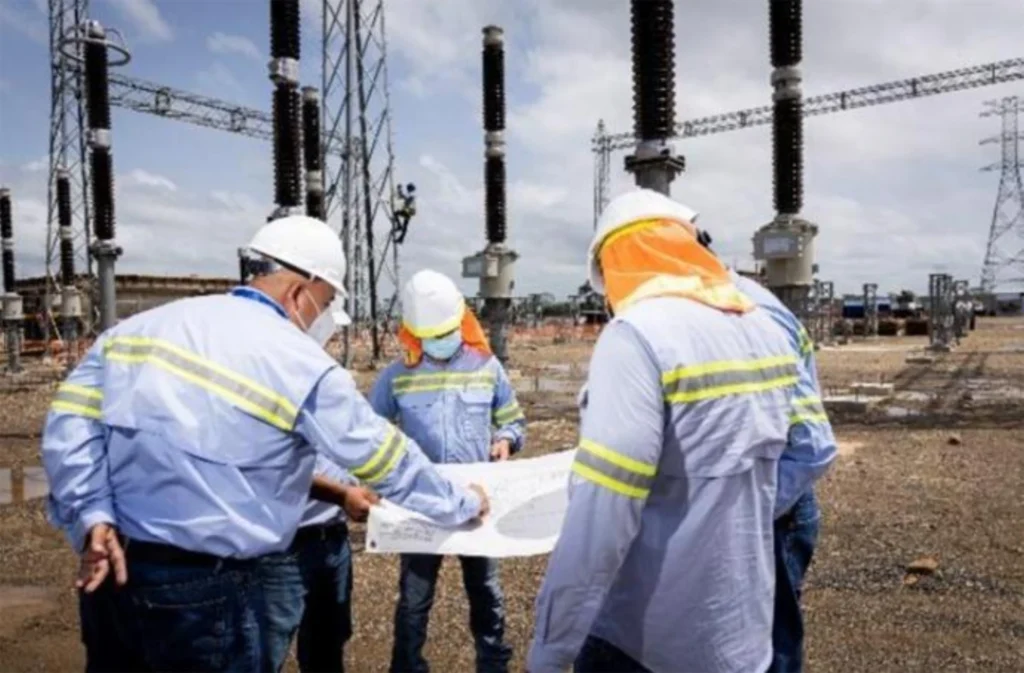
Mandatory Qualifications
Possess valid power facility installation, maintenance & testing permits and work safety licenses. CMA/CNAS accreditation is preferred. Verify no credit penalties or power safety accidents, and ensure qualification voltage class matches your substation.
Professional Staff
All field technicians hold high-voltage electrician and power system protection and relaying operation certificates. Senior engineers have years of experience in setting values and commissioning, are permanently employed, and proficient in mainstream protection devices & protection logics.
Complete In-House Test Equipment
Own full sets of testing instruments including 6-phase relay test sets and instrument transformer calibrators. All devices get annual metrological calibration to support full tests: setting verification, differential testing, overall tripping transmission tests, etc.
Verified Similar Project Track Records
Check maintenance contracts and completion reports of substations and photovoltaic power stations with the same voltage level finished in the past three years. Prioritize providers experienced in transformer differential protection, motor protection and RMU protection commissioning.
After-sales & Emergency Support
7/24 technical hotline with committed on-site emergency arrival time. All maintenance complies with national power preventive test standards. Formal test reports will be issued after work. Minimum 12-month warranty; free rework for errors caused by improper commissioning.
Quotation & Contract Tips
Avoid unreasonably low bundled quotations; request itemized pricing. Clarify test items, safety liabilities, emergency response time and payment terms in the contract; never pay full payment upfront.
Preferred Selection Order
Original equipment manufacturer service teams → local licensed professional power maintenance companies → authoritative third-party testing institutions. Never hire unlicensed individual electricians or small unqualified contractors.
FAQ About Protective Relay Maintenance
Q1: How often should protective relays be tested and maintained?
Transmission and distribution substations follow specified protective relay maintenance intervals: a 3–5 year maintenance cycle is applied, while industrial power systems and new energy power plants adopt a 1–3 year cycle. Cycles shall be appropriately shortened for harsh operating environments.
Q2: What are the core test items for relay maintenance?
Core items include visual inspection, setting verification, secondary injection pickup & timing test, trip circuit test, and communication function verification.
Q3: What equipment is essential for relay maintenance?
The essential equipment includes relay protection test set and CT analyzer, which can meet all conventional and smart substation maintenance test requirements.
Q4: Can regular relay maintenance eliminate nuisance tripping?
Yes. Standardized wiring inspection, parameter calibration and functional testing can effectively eliminate unbalanced current, setting deviation and circuit faults, and solve most nuisance tripping problems.
Q5:Where can I find protective relay maintenance training?
You can get protective relay maintenance training from professional electrical academies, mainstream relay manufacturers, online power courses and qualified power equipment suppliers.
Q6: What core contents are included in the maintenance handbook for protective relaying?
It covers routine check items, maintenance cycles, relay parameter verification steps, wiring inspection, CT/VT secondary circuit maintenance, common fault troubleshooting, calibration procedures with relay test sets, safety precautions and acceptance criteria after maintenance.
Reference Technical Standards & Data Sources
- IEC 60255-1:2022, Measuring relays and protection equipment – Common requirements
- IEC 60255-27:2013, Product safety requirements for protective relays
- IEEE C37.90, Standard for Relays and Relay Systems Used in Electric Power Systems
- IEC 60255-22-3, Electromagnetic compatibility immunity test standards for protection relays
- International Power Utility Standard Specification for Substation Relay Maintenance
- Field commissioning test data and maintenance experience summary of global overseas EPC power projects
About Author

Hello, I'm Leno Zhang. I have 15 years of experience in the power relay protection industry with extensive pre-sales and after-sales project experience. Our company specializes in various complete sets of relay protection and automation equipment. I can assist customers in solving all practical on-site project challenges and provide optimal integrated solutions.
Tell Us Your Requirement
High Quality
Stable performance, reliable design, ensuring safe operation for power system protection and grid stability.
Fast Delivery
Timely delivery to support your urgent orders and project schedules efficiently and professionally at any time.
Best Warranty
Professional Warranty: Reliable after-sales support for stable relay protection and long-term customer satisfaction.