

-
Leon Zhang sales consultant
-
Email: zxl635973785@gmail.com
-
Phone/WhatsApp: +86 13655813266
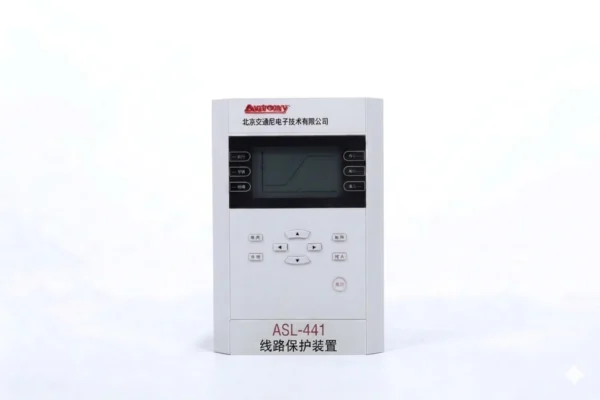
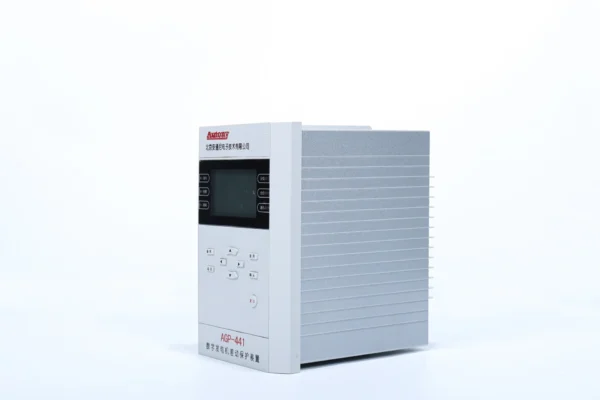
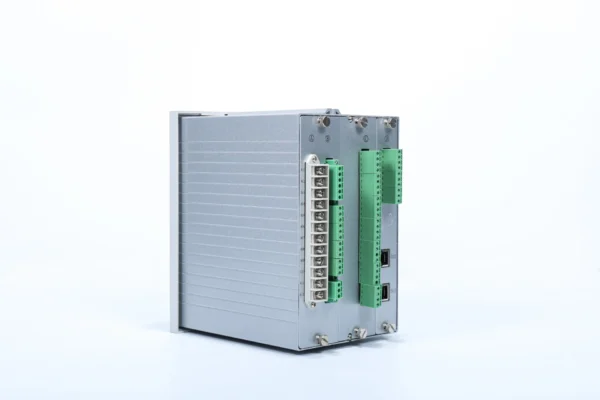
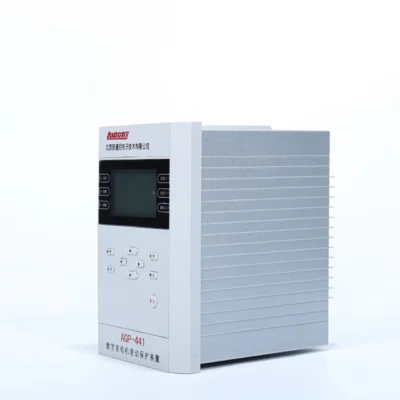
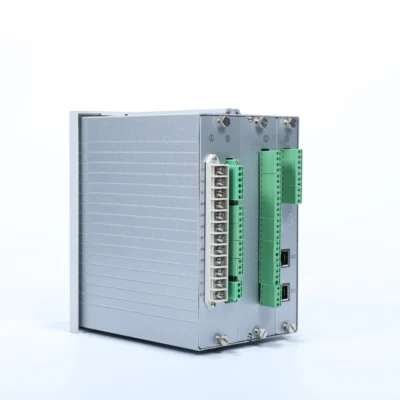
ASL-441H line protection relay
Overview
The ASL-441H Digital Line Protection and Monitoring Unit, as one of the professional transmission line protection relays and digital relays for transmission line protection, is a high-performance line protection relay suitable for low-current grounding systems with ungrounded neutral points or neutral points grounded via arc-suppression coils at voltage levels of 66 kV and below. It serves as bay-level equipment for line units.
Protection Functions and Corresponding ANSI Codes
27/ 50/ 51/ 67/ 25/ 79/ 46/81/ 50N/51N/ 59N/ 51I / 51NG/ 49/ 62/ 50HS / 60
Communication Mode:Optional: RS-485, CAN bus, Ethernet, IEC 60870-5-103 (IEC-103)
Send your requirements, we will quote for you within 12 hours
Description
The ASL-441H is a multifunction numerical line protection relay designed for overhead lines and cable feeders in power distribution and substation systems. It integrates overcurrent, directional overcurrent, ground fault, auto-reclosing, underfrequency load shedding and voltage-related protection functions in a single relay. The device is designed for low-current grounding systems with ungrounded or arc-suppression-coil-grounded neutral points and is suitable for line applications up to 66 kV.
Overview
ASL-441H Line Protection Relay
Multifunction numerical protection for overhead lines and cable feeders up to 66 kV
Key Features
- Overcurrent and directional overcurrent protection
- Zero-sequence overcurrent and overvoltage protection
- Auto-reclosing and synchronism check
- Underfrequency load shedding
- Small-current grounding line selection
- CT/PT circuit supervision
- Event logging and fault recording
- RS-485, Ethernet and IEC 60870-5-103 communication
Application
Distribution substations · Medium-voltage lines · Cable feeders · Overhead lines · Low-current grounding systems
Protection Functions
Overcurrent and Directional Protection
| Function | ANSI |
|---|---|
| Three-stage overcurrent | 50/51 |
| Directional overcurrent | 67 |
| Inverse-time overcurrent | 51I |
Ground Fault Protection
| Function | ANSI |
|---|---|
| Zero-sequence overcurrent | 50N/51N |
| Zero-sequence overvoltage | 59N |
| Small-current grounding line selection | 51NG |
Voltage, Frequency and Overload Protection
| Function | ANSI |
|---|---|
| Undervoltage | 27 |
| Overfrequency / underfrequency | 81 |
| Negative sequence | 46 |
| Overload | 49 |
Control and Supervision
| Function | ANSI |
|---|---|
| Auto-reclosing | 79 |
| Synchronism check | 25 |
| CT supervision | 60 |
| Control circuit supervision | 74 |
| SOTF / high-speed closing protection | 50HS |
| Bus charging protection | 62 |
ASL-441H Technical Specifications
| Parameter | Specification |
|---|---|
| Product Model | ASL-441H |
| Device Type | Numerical line protection relay |
| Application Voltage | ≤66 kV |
| Grounding System | Ungrounded / arc-suppression-coil grounded |
| Protection Functions | 50/51, 67, 50N/51N, 59N, 79, 81, etc. |
| Communication | RS-485 / CAN / Ethernet |
| Protocol | IEC 60870-5-103 |
| Protection Response Time | ≤35 ms* |
| Current Accuracy | ±2.5%* |
| Voltage Accuracy | ±3%* |
| Measurement Accuracy | I/U Class 0.2; P/Q Class 0.5 |
| Fault Recording | Supported |
ASL-441H Applications
The ASL-441H is a multifunction numerical line protection relay designed for overhead lines and cable feeders up to 66 kV. It is not intended for EHV transmission systems, but serves as a comprehensive protection solution for medium-voltage distribution networks and industrial power systems.
| Application | Key Features | Typical Users |
|---|---|---|
| Medium-Voltage Distribution Lines | Overcurrent, directional, zero-sequence | Utilities, industrial plants |
| Substation Feeder Protection | Directional overcurrent, breaker failure | Utilities, EPC contractors |
| Overhead Line Protection | Auto-reclosing, earth fault detection | Utilities, renewable projects |
| Cable Feeder Protection | High-speed tripping, fault recording | Industrial, commercial networks |
| Low-Current Grounding Systems | Small-current grounding line selection | Utilities, mining, offshore |
| Power Distribution Automation | IEC 60870-5-103, SCADA integration | System integrators, utilities |
Grounding System Compatibility
The ASL-441H is designed for low-current grounding systems, including networks with ungrounded neutral points and neutral points grounded through arc-suppression coils. The grounding method should be confirmed when selecting protection functions and configuring zero-sequence protection.
Communication and SCADA Integration
| Interface | Application |
|---|---|
| RS-485 | Local/serial communication |
| CAN | Device communication |
| Ethernet | Network communication |
| IEC 60870-5-103 | Substation protection communication |
The relay can exchange protection status, measurements, alarms, events and fault information with a substation automation or SCADA system through supported communication interfaces.
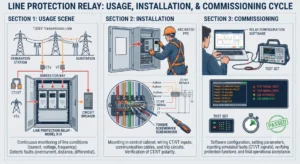
Event Logging and Fault Recording
Event Records
- Protection trip
- Device malfunction
- Trip time
- Operating parameters
Fault Recording
- Fault operation time
- Protection type
- RMS values
- Pre-fault data
- Post-fault data
SOE
48 sets retained after power loss
Fault Reports
16 sets retained after power loss
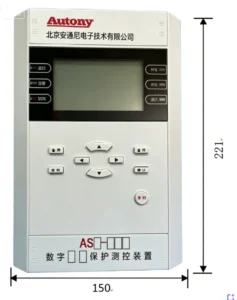
Line Protection Device — Outline and Installation Dimensions
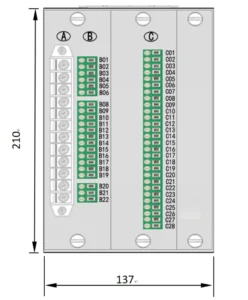
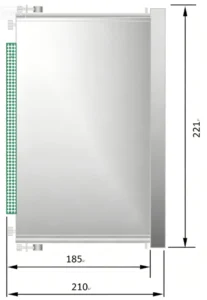
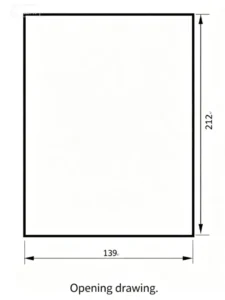
ASL-441H Line Protection Relay – FAQ
Q 1: What is the ASL-441H line protection relay?
The ASL-441H is a multifunction numerical line protection relay designed for overhead lines and cable feeders up to 66 kV. It provides complete phase and earth fault protection, auto-reclosing, frequency protection, and small-current grounding line selection—making it suitable for distribution substations, medium-voltage lines, and industrial power networks.
Q 2: What voltage level is the ASL-441H suitable for?
The ASL-441H is designed for systems up to 66 kV, covering medium-voltage distribution networks. It is not intended for EHV transmission systems but serves as a comprehensive protection solution for 10kV to 66kV overhead lines, cable feeders, and substation outgoing feeders.
Q 3: What protection functions does the ASL-441H provide?
| Function | Description |
|---|---|
| Overcurrent (50/51) | Phase overcurrent protection |
| Directional Overcurrent (67) | Directional phase overcurrent for loop networks |
| Zero-Sequence Overcurrent (50N/51N) | Earth fault protection |
| Zero-Sequence Overvoltage (59N) | Detects earth faults in isolated/compensated systems |
| Auto-Reclosing (79) | Automatic supply restoration after transient faults |
| Synchronism Check (25) | Ensures safe reclosing conditions |
| Underfrequency Load Shedding (81U) | Frequency protection for load shedding |
| Small-Current Grounding Line Selection | Identifies faulty feeder in low-current grounding systems |
| CT/PT Supervision | Detects CT/PT circuit failures |
| Event Logging & Fault Recording | Captures fault data for analysis |
Q 4: Can the ASL-441H be used in ungrounded or arc-suppression-coil grounded systems?
Yes. The ASL-441H is specifically designed for low-current grounding systems, including isolated neutral and arc-suppression-coil (Petersen coil) grounded networks. Its small-current grounding line selection function detects earth faults in such systems, enabling selective fault isolation without unnecessary supply interruptions.
Q 5: What communication protocols does the ASL-441H support?
The ASL-441H supports the following communication interfaces and protocols:
| Interface | Application |
|---|---|
| RS-485 | Local SCADA and HMI connectivity |
| CAN | Device-to-device communication |
| Ethernet | High-speed SCADA and engineering access |
| IEC 60870-5-103 | Standard substation automation protocol |
Q 6: Does the ASL-441H support auto-reclosing and synchronism check?
Yes. The ASL-441H includes:
-
Auto-reclosing (ANSI 79) – Automatically restores supply after transient faults. Multiple reclose shots can be configured according to project requirements.
-
Synchronism check (ANSI 25) – Ensures voltage, frequency, and phase angle match before reclosing, preventing mechanical stress and system disturbances.
Q 7: What information is required to configure an ASL-441H relay?
To configure an ASL-441H relay, the following information is required:
-
System voltage level (10kV–66kV)
-
CT and PT primary/secondary ratings
-
Line and feeder configuration (radial, loop, multi-source)
-
Required protection functions (overcurrent, directional, earth fault, etc.)
-
Auto-reclosing sequence requirements
-
Communication protocol and SCADA integration requirements
-
Coordination settings with upstream/downstream protection
Settings should be calculated by qualified protection engineers based on system fault levels and coordination studies.
3 reviews for ASL-441H line protection relay
Related products
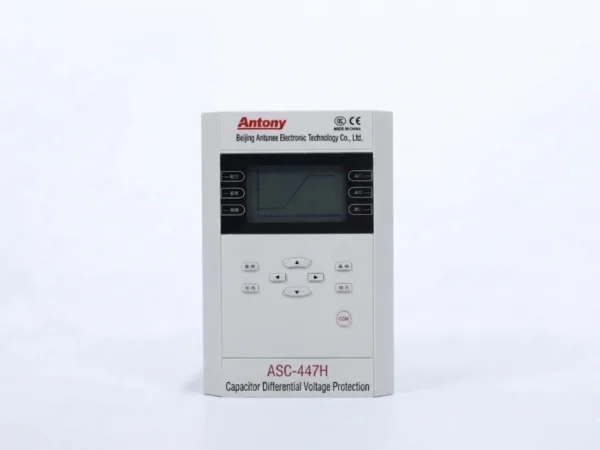
High Quality
Stable performance, reliable design, ensuring safe operation for power system protection and grid stability.
Fast Delivery
Timely delivery to support your urgent orders and project schedules efficiently and professionally at any time.
Best Warranty
Professional Warranty: Reliable after-sales support for stable relay protection and long-term customer satisfaction.
xiao zhang –
This multi-function line protection relay integrates distance(21), overcurrent(51), earth fault(51N), under/over voltage(27/59) and auto-reclosing(79) functions. Strong anti-interference, flexible grading setting and diversified communication options suit MV & HV overhead/cable lines for overseas power projects.
Jack –
Fast response of digital I/Os, works smoothly with automation systems.
Jack –
Intuitive panel interface — field commissioning engineers love it.