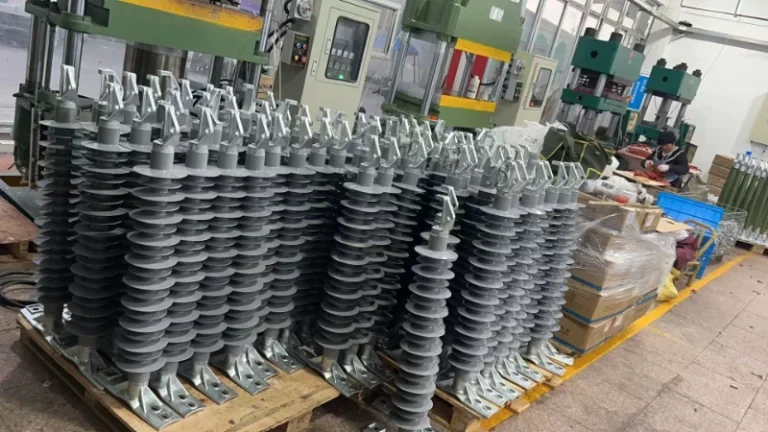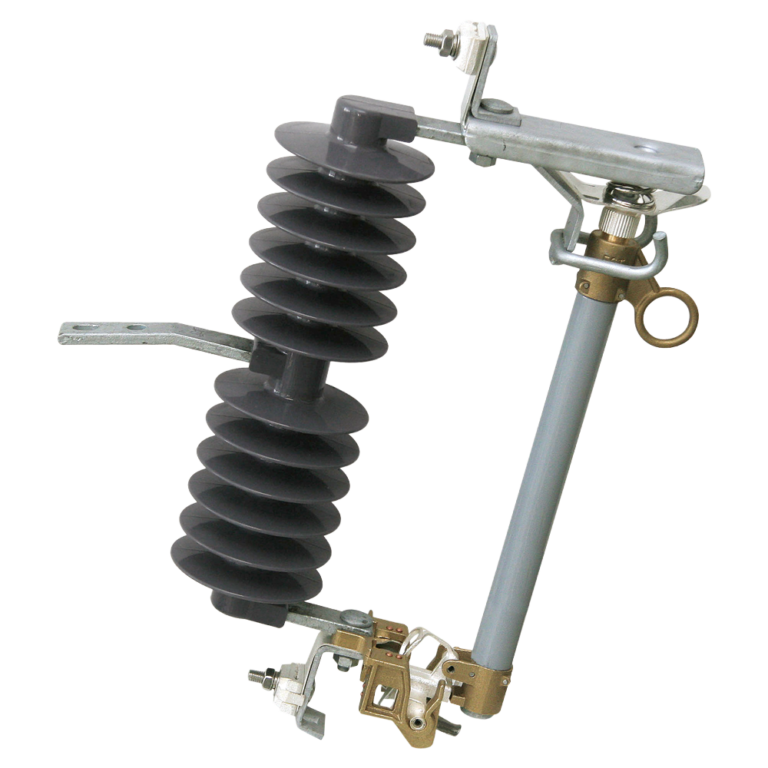
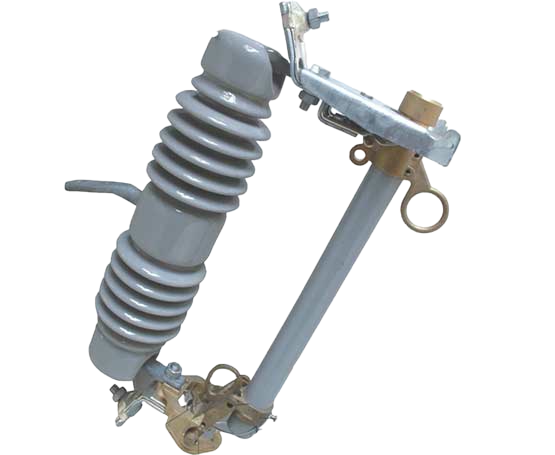
Despite the development of modern electronic protection devices, drop out fuses remain widely used due to their practical advantages.
Simple Structure
Drop out fuses have a simple mechanical design with very few moving parts. This simplicity contributes to their high reliability.
Clear Fault Indication
When the fuse operates, the fuse holder visibly drops open. This makes it easy for maintenance personnel to identify the fault location.
High Reliability
Because fuse cutouts rely on mechanical and thermal principles rather than electronic control, they are extremely reliable in harsh outdoor environments.
Cost-Effective Protection
Compared with advanced protection systems, drop out fuses offer an economical solution for protecting medium-voltage distribution networks.
Summary
In summary, drop out fuses maintain their widespread application in medium-voltage distribution networks by combining practicality, reliability, and affordability that modern electronic protection devices often struggle to match. Their simple mechanical structure, with minimal moving parts, eliminates the complexity that plagues many electronic systems, ensuring consistent performance even with minimal maintenance. The visible drop-open mechanism of the fuse holder simplifies fault detection significantly, allowing maintenance teams to locate and resolve issues quickly, reduce downtime, and restore power more efficiently. Unlike electronic devices that may fail in extreme outdoor conditions—such as high temperatures, humidity, or voltage fluctuations—drop out fuses rely on proven mechanical and thermal principles, making them robust and dependable in the harshest operating environments. Additionally, they provide cost-effective protection without compromising on safety or functionality, making them an ideal choice for utilities and industries that need reliable overcurrent protection without the high costs associated with advanced electronic systems. Together, these advantages make drop out fuses a practical, enduring solution for safeguarding medium-voltage distribution networks worldwide.