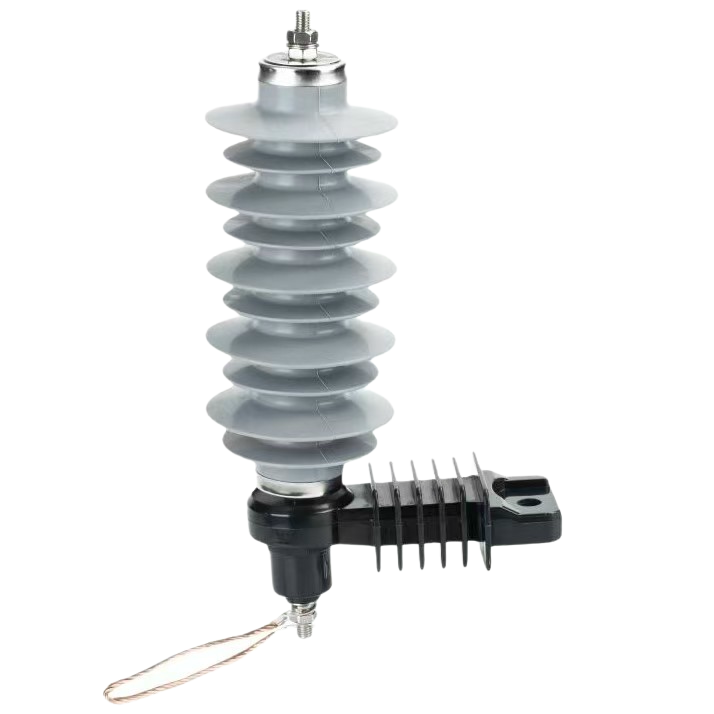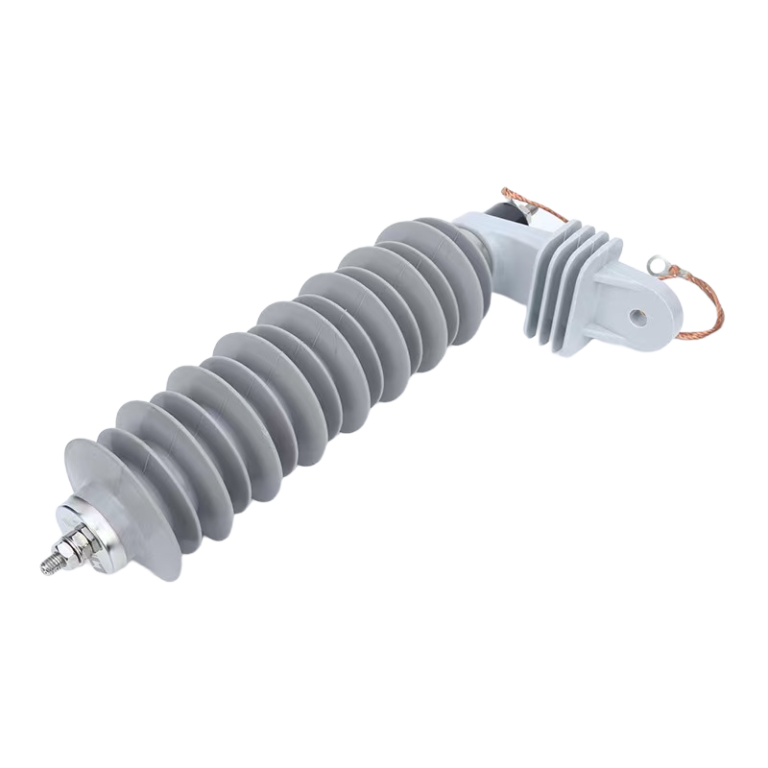
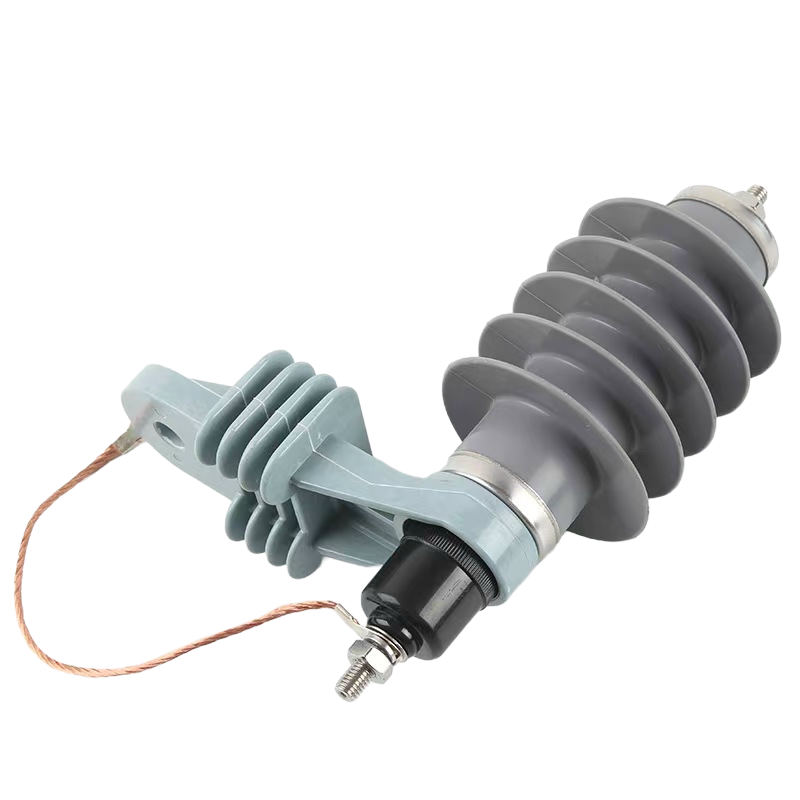
Nowadays, manufacturers design many components in modern electrical devices to operate within specific, moderate voltage ranges—they cannot handle sudden high-voltage spikes. To ensure a stable, dependable flow of electricity to your home, office, or industrial facility, you must install a high-voltage surge arrester. This critical device actively safeguards electrical systems and equipment from the destructive effects of voltage surges, preventing costly damage and downtime.
High-voltage surge arresters serve a wide range of practical applications across residential, commercial, and industrial settings. Technicians and engineers actively deploy them to protect everything from small household electronics to large-scale utility infrastructure. Whether you need to shield your home devices from unexpected voltage surges or secure the integrity of a utility substation’s grid, surge arresters deliver reliable protection tailored to diverse needs.
The following table details the most common applications of high-voltage surge arresters, including their specific uses and the value they provide in each scenario:
| Application Scenario | Detailed Description | Core Protection Value |
|---|---|---|
| Surge Protection in Lightning-Prone Areas | Installed in buildings, power transmission lines, outdoor electrical equipment, and telecom towers in regions with frequent thunderstorms. Actively diverts lightning-induced surge currents to the ground before they enter electrical systems. | Prevents equipment burnout, power outages, and fire hazards caused by lightning surges. |
| Surge Protection in Polluted/High-Seismic Areas | Deployed in industrial zones with heavy air pollution, coastal areas with salt spray, or seismic active regions. Resists environmental degradation while mitigating surges from damaged power lines or insulation failure. | Maintains stable protection in harsh environments; extends equipment service life. |
| General Electrical Installations | Integrated into residential buildings, commercial complexes, factories, and construction sites. Installed at main power entry points to shield all internal electrical systems and devices. | Comprehensive protection against grid fluctuations and unexpected surges; reduces equipment failure rates. |
| Lightning Systems & Distribution Boards | Used alongside lightning rods in lightning protection systems; installed in low-voltage distribution boards to protect building circuits, and in data centers to shield servers/routers. | Protects both power and data equipment; avoids data loss and operational downtime. |
| HVDC (High-Voltage Direct Current) Protection | Specialized arresters for HVDC transmission networks (long-distance power delivery). Handles DC voltage surges from system faults, startup/shutdown cycles, or grid interconnection issues. | Ensures stability of HVDC grids; prevents damage to high-cost transmission equipment. |
| Protection of Series Capacitor Banks | Installed with series capacitor banks in power transmission systems (used to improve power flow efficiency). Diverts surges that would overvoltage and damage capacitor units. | Preserves capacitor bank functionality; maintains efficient power transmission. |
| Renewable Energy Systems | Used in solar PV farms, wind turbines, and battery energy storage systems (BESS). Protects inverter systems and grid connection points from voltage spikes. | Guarantees uninterrupted renewable energy generation and grid integration. |
| Utility Substations | Deployed in high/medium voltage substations to protect transformers, circuit breakers, and switchgear from internal and external surges. | Prevents substation outages; safeguards critical grid infrastructure. |