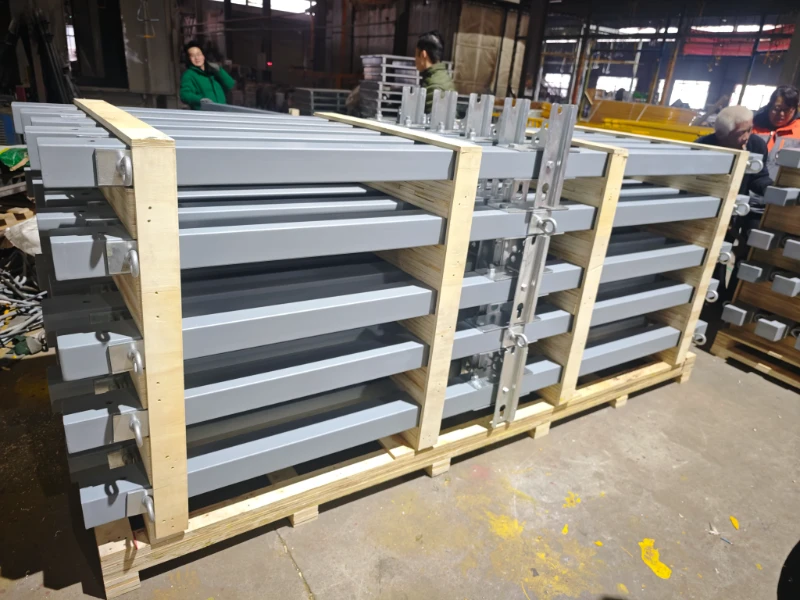
Yes, fiberglass crossarms are suitable for most types of electrical applications, especially those involving overhead power transmission and distribution—their core use case.
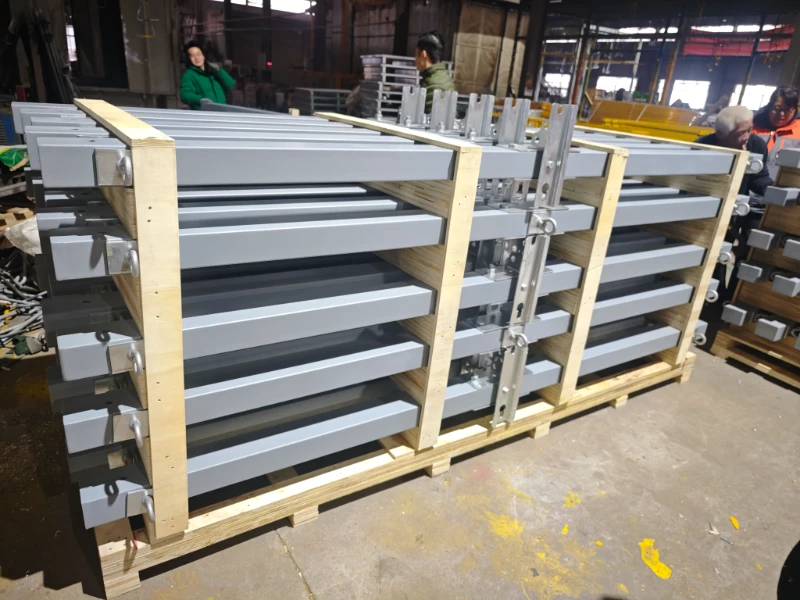
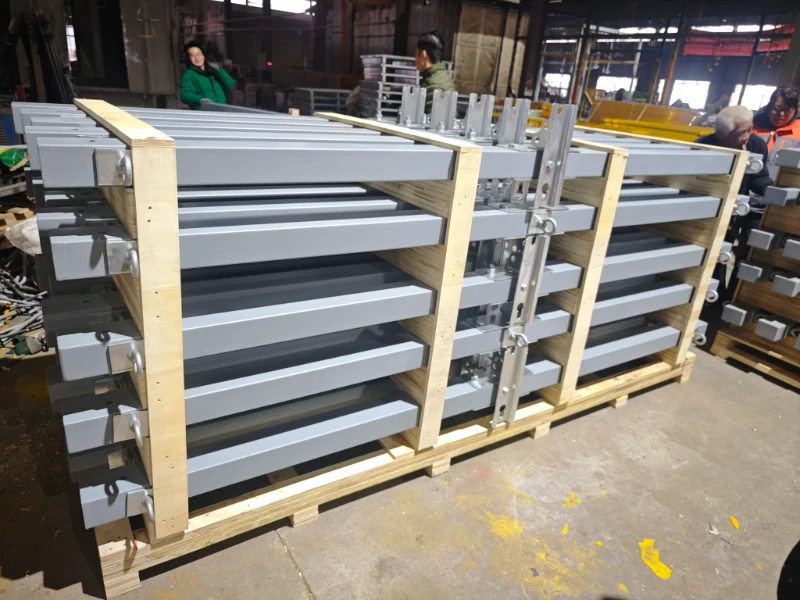
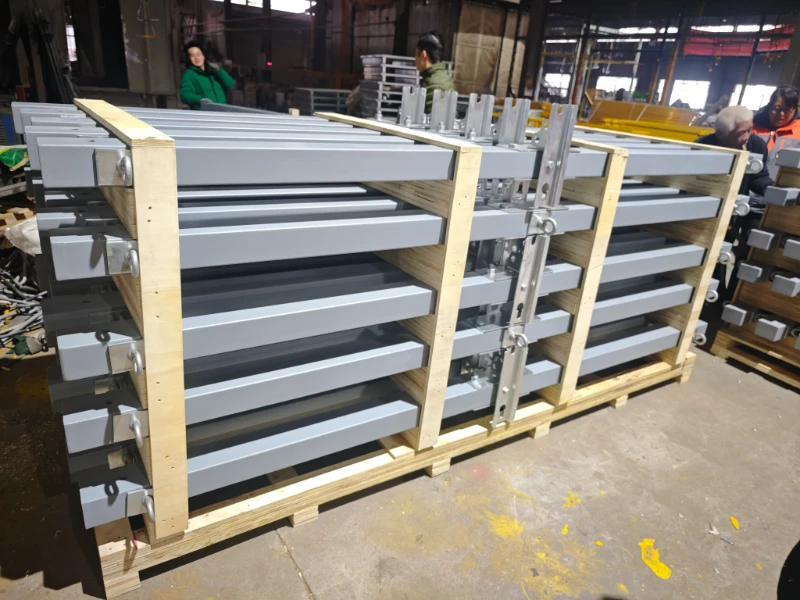
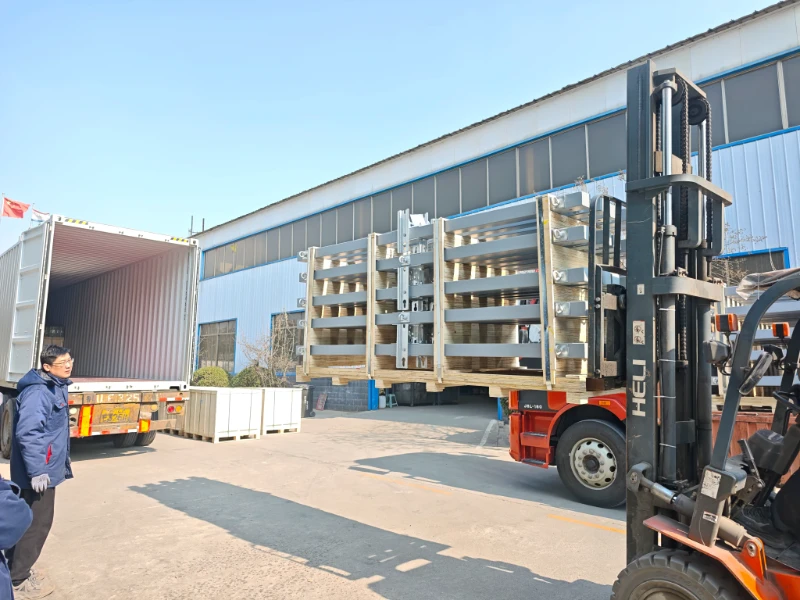
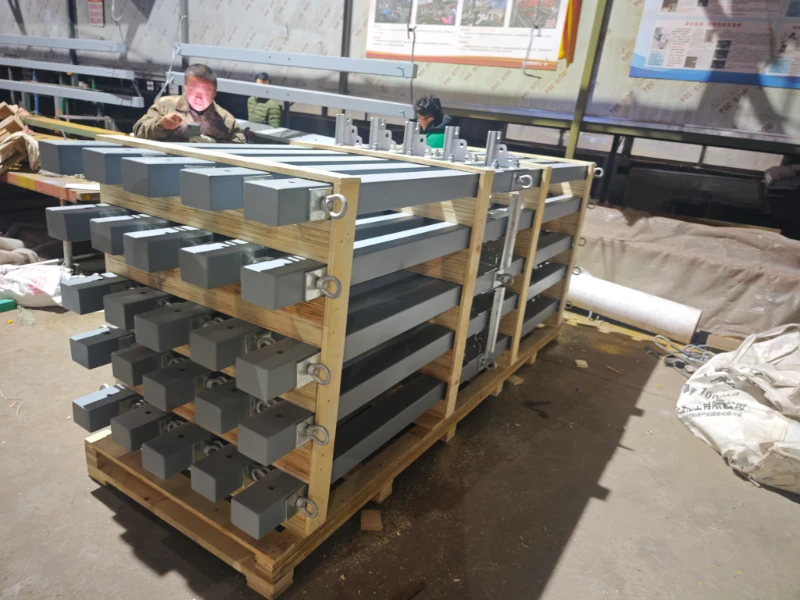
They are designed to support electrical conductors and insulators, handle mechanical stress, and maintain structural integrity in diverse scenarios. Their excellent electrical insulation, high strength-to-weight ratio, and resistance to rot, pests, and extreme weather make them adaptable to various electrical setups, including both deadend and tangent configurations (replacing wooden crossarms in these common applications).
Notably, they perform reliably in all climates (from arid to humid regions) and are widely used in African utility applications—from rural villages to urban centers—proving their versatility. While they are optimized for overhead power lines (the primary electrical application for crossarms), they are not limited to specific voltage levels or settings, making them suitable for most standard electrical infrastructure needs.