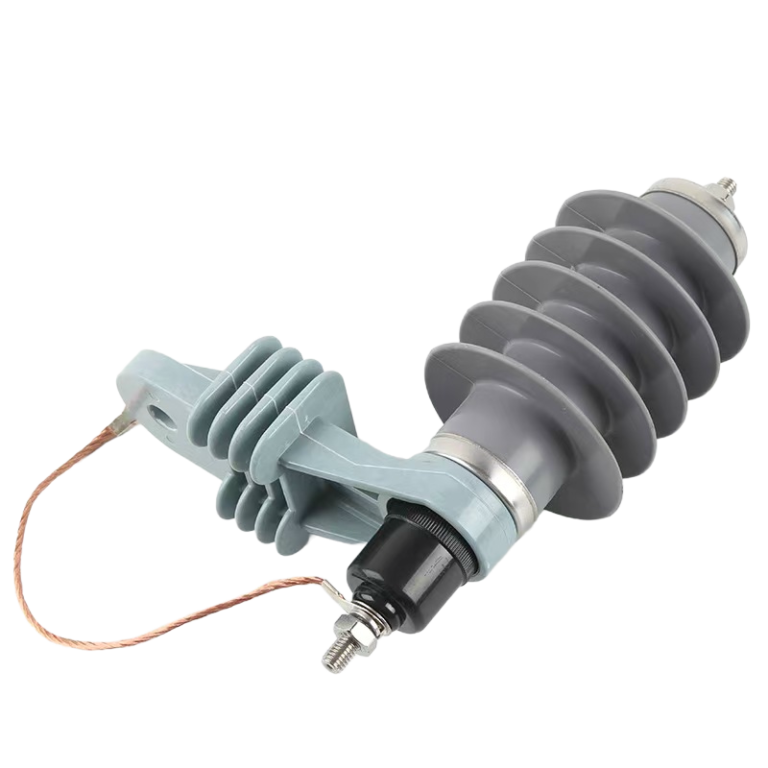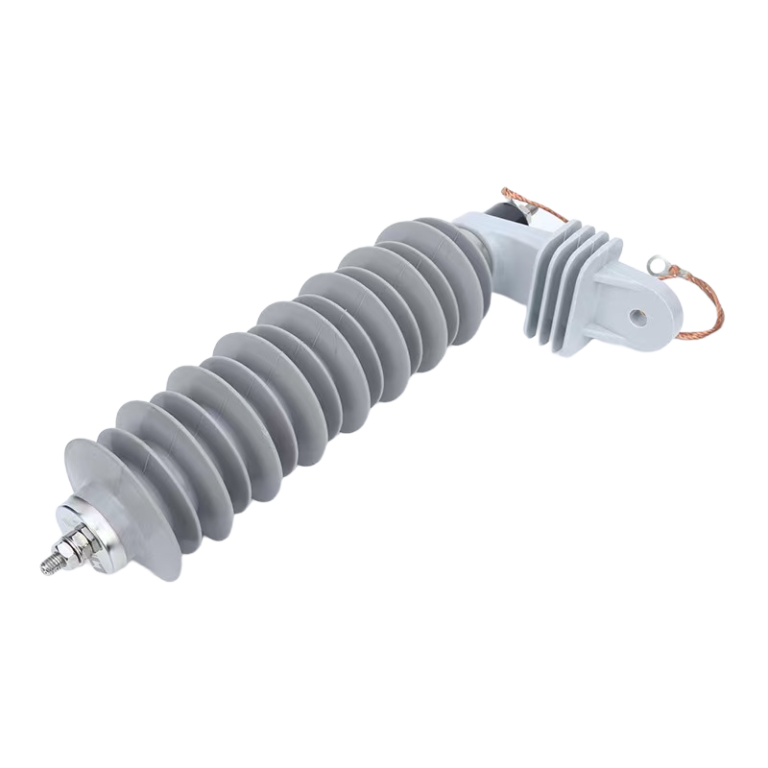
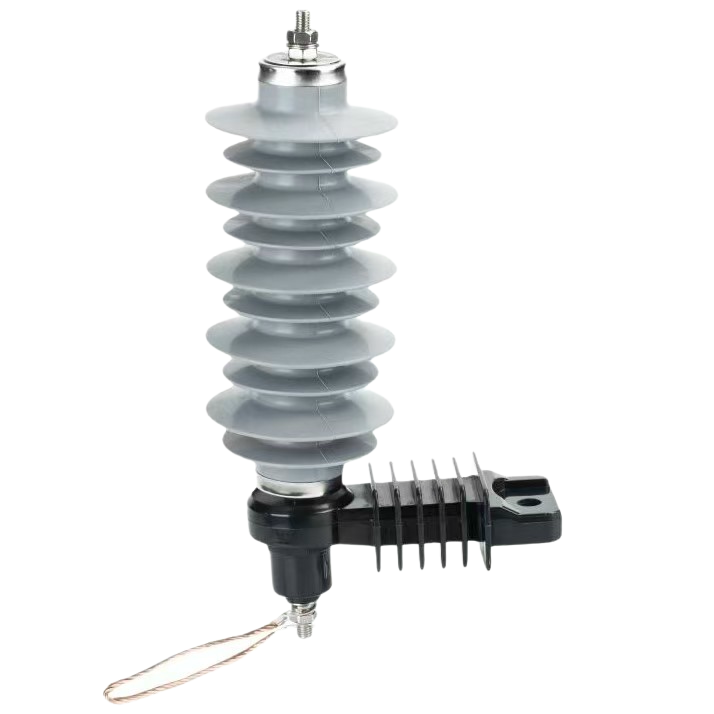
A high‑voltage surge arrester protects your electrical system from surges, but it does not absorb any voltage passing through the system.
Instead, it diverts surge current to the ground instead of allowing it to flow through connected devices. It creates a low‑resistance path across its terminals to safely carry surge energy away from your equipment.
The core component of a high‑voltage surge arrester is the Metal Oxide Varistor (MOV), a highly sensitive voltage‑controlled semiconductor. When a sudden voltage spike occurs, the MOV activates to block current from reaching sensitive equipment.
Its primary role is insulation coordination, which involves selecting the proper dielectric strength for all equipment in your electrical system. The surge arrester maintains voltage below the equipment’s withstand voltage—the maximum voltage that can be applied without causing damage.
This process ensures your electrical equipment can withstand high dielectric stresses from lightning strikes and switching operations, keeping voltage within a safe operating margin at all times.
A high‑voltage surge arrester safeguards electrical systems by diverting surge current to ground through its low‑resistance path, rather than absorbing voltage or allowing surges to damage equipment. Its core component, the MOV, responds rapidly to voltage spikes to block harmful current, and the device works to maintain voltage within equipment’s safe withstand limits. This enables reliable protection against lightning and switching‑induced stresses, keeping systems stable and equipment protected.